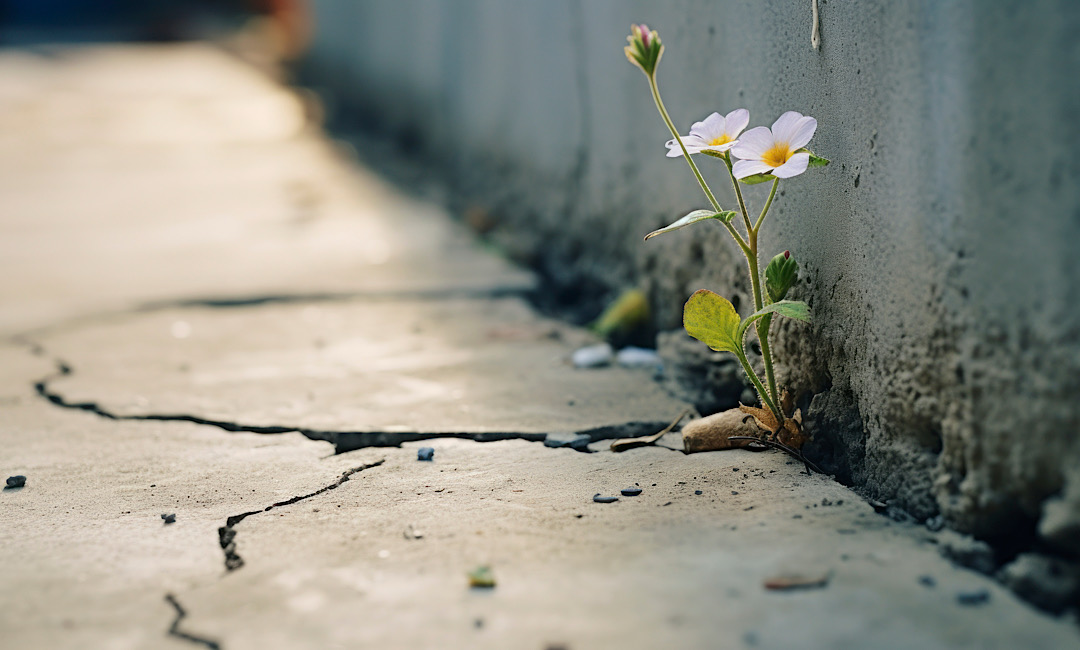
A slightly uneven driveway or a sunken sidewalk panel might not seem like an urgent problem. Many homeowners notice these issues and decide to wait until a later season to deal with them. However, delaying repairs for sunken concrete can allow the underlying causes—soil erosion, water movement, and ground instability—to continue worsening.
During the summer months, increased rainfall, irrigation, and daily use of outdoor spaces can accelerate the damage beneath concrete slabs. What begins as a small area of settlement can develop into larger structural problems that are more expensive and more complicated to repair.
Understanding what happens when sunken concrete is ignored for another season helps property owners recognize why early repairs often save time, money, and frustration.
Sunken Concrete Is Usually a Soil Problem
Concrete itself rarely sinks on its own. Most settlement issues occur because the soil beneath the slab loses stability.
Concrete surfaces such as driveways, sidewalks, patios, and garage floors rely on compacted soil for support. When that soil shifts or washes away, the slab above it begins to settle unevenly.
Common causes of soil instability include:
- Water erosion beneath the slab
- Poor drainage near concrete structures
- Freeze-thaw cycles during winter
- Soil compaction over time
- Tree root activity affecting soil density
When these factors create empty spaces beneath the slab, the concrete slowly begins to sink into the voids.
If the problem is left untreated, the voids often continue to expand.
Summer Water Exposure Can Accelerate Settlement
Many homeowners assume that concrete damage worsens primarily during winter. While freeze-thaw cycles do contribute to cracking and movement, summer conditions can also accelerate concrete settlement.
During summer, properties often experience increased water exposure from:
- Lawn irrigation systems
- Thunderstorms and heavy rainfall
- Sprinkler overspray near driveways
- Pool splash-out or drainage
- Garden watering near patios or walkways
If drainage is not properly managed, this water can seep beneath concrete slabs and gradually wash soil away.
As erosion continues, the empty space beneath the slab grows larger, allowing the concrete to sink further.
Small Voids Become Larger Structural Gaps
When soil erosion begins beneath a concrete slab, the process typically starts with small pockets of empty space.
At first, the slab may still appear relatively stable because most of the soil beneath it remains intact. However, the unsupported areas continue expanding as water flows through the ground.
Eventually, the slab begins to lose enough support that visible sinking occurs.
Over time, this process can lead to:
- Larger vertical height differences between slabs
- Cracking caused by uneven pressure
- Sections of concrete that feel hollow when walked on
- Increased instability in high-traffic areas
The longer the voids remain unaddressed, the more severe the structural issues can become.
Cracks Often Worsen Over Time
Sunken concrete frequently develops cracks as the slab adjusts to uneven support beneath it.
When one portion of the slab sinks while another remains supported, stress builds within the concrete. Cracks form as the material attempts to relieve that stress.
If settlement continues throughout the summer, those cracks may widen or spread across the slab.
Wider cracks allow additional water to enter beneath the concrete, which accelerates erosion and further weakens the supporting soil.
This cycle often causes damage to progress more quickly than homeowners expect.
Trip Hazards Become More Dangerous
Uneven concrete surfaces create trip hazards that increase the risk of injury.
A small height difference between slabs might initially seem minor, but it can become a serious safety concern over time.
As the settlement worsens, the height difference may grow larger, making it easier for someone to catch their foot while walking.
Trip hazards are especially dangerous in areas with frequent foot traffic, such as:
- Sidewalks leading to front doors
- Walkways around patios or gardens
- Driveway entrances
- Apartment or commercial property pathways
Ignoring sunken concrete for another summer increases the likelihood that someone may be injured.
Water Pooling Can Lead to Additional Damage
Another consequence of sunken concrete is improper water drainage.
When slabs sink unevenly, they often create low spots where rainwater or sprinkler runoff collects.
Standing water near concrete surfaces can cause several problems, including:
- Accelerated soil erosion
- Increased moisture beneath the slab
- Slippery walking surfaces
- Damage to nearby landscaping
Over time, pooling water can worsen settlement by continuously saturating the soil beneath the concrete.
This ongoing moisture exposure may also affect nearby foundations or structures.
Repairs Often Become More Expensive
One of the biggest risks of delaying concrete repairs is the potential for higher costs later.
When settlement first begins, the voids beneath the slab are often small and easier to stabilize. As time passes and erosion continues, those voids may expand across larger areas.
More severe settlement may require additional repair work to fully stabilize the slab.
Early intervention often allows technicians to correct the problem quickly before extensive damage occurs.
Addressing the settlement sooner helps prevent minor issues from developing into major structural concerns.
Concrete Lifting Can Restore Sunken Slabs
Fortunately, sunken concrete does not always require full replacement. In many cases, concrete lifting can restore uneven slabs without removing the existing surface.
Concrete lifting works by injecting specialized materials beneath the slab to fill empty spaces and stabilize the soil.
As the voids are filled, the slab is carefully raised back to its original level.
This process helps:
- Eliminate trip hazards
- Restore proper drainage
- Stabilize the soil beneath the slab
- Prevent further settlement
Compared to replacing concrete entirely, lifting is typically faster, less disruptive, and more cost-effective.
Why Early Repairs Produce Better Results
Addressing sunken concrete early provides several important advantages.
First, smaller voids are easier to stabilize before widespread erosion occurs. Second, repairs performed before major cracking develops often produce smoother, more consistent results.
Finally, early repairs help prevent safety hazards from developing in high-traffic areas.
By stabilizing the slab before additional settlement occurs, property owners can extend the life of their concrete surfaces and avoid larger repair projects later.
Frequently Asked Questions About Sunken Concrete
Will sunken concrete continue to sink if left unrepaired?
Yes. Soil erosion and void expansion often continue over time, causing the slab to sink further.
Can water make concrete settlement worse?
Yes. Water moving beneath a slab can wash away soil and increase the size of voids supporting the concrete.
Is sunken concrete dangerous?
Uneven slabs can create trip hazards that increase the risk of injury for visitors and residents.
Do I need to replace sunken concrete?
Not always. Concrete lifting can often restore the slab without full replacement.
When should sunken concrete be repaired?
The sooner the settlement is addressed, the easier it is to stabilize the slab and prevent further damage.
Address Concrete Settlement Before It Gets Worse
Sunken concrete rarely fixes itself. When repairs are delayed, soil erosion and structural stress often continue, allowing settlement to worsen over time. What begins as a small, uneven area can quickly turn into larger cracks, drainage problems, and safety hazards.
Taking action before another summer of water exposure and heavy use can prevent more extensive damage.
Idaho Concrete Lifting helps property owners restore stable, level concrete surfaces by addressing the underlying soil issues that cause settlement. Early repairs help protect walkways, driveways, and patios while preventing costly structural problems in the future.