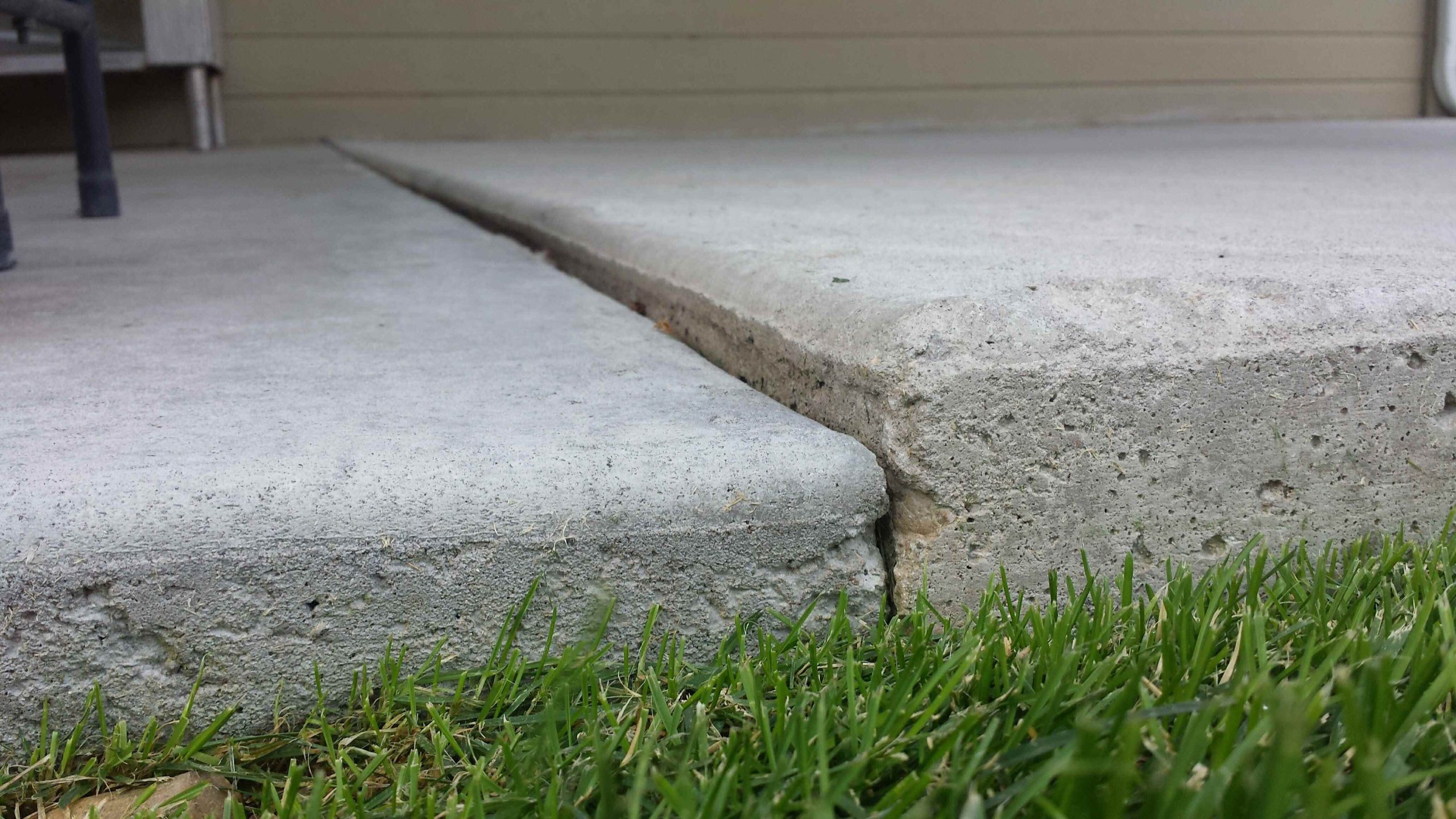
Uneven concrete in a parking lot or commercial driveway is rarely just an aesthetic problem. When Idaho Concrete Lifting works with property owners, HOAs, and property managers, the conversation usually starts with a visible trip hazard or a tenant complaint and quickly expands into a discussion about liability exposure, ADA compliance, and the cost difference between addressing the problem now versus after an incident has occurred.
The good news is that concrete leveling resolves most parking lot and driveway settlement problems faster, more affordably, and with less disruption to tenants, customers, and daily operations than most property owners expect. Understanding how the process works and what it addresses helps property owners make informed decisions before small settlement problems become significant liabilities.
Why Parking Lot and Driveway Concrete Settles
Commercial and residential parking lots share the same fundamental settlement causes as residential driveways, but the stakes are higher because the surfaces carry more traffic, serve more users, and create greater liability exposure when they develop hazardous conditions.
Subgrade soil movement is the primary driver of parking lot settlement throughout Idaho and eastern Oregon. The clay-heavy soils common in the region expand and contract with seasonal moisture changes, gradually creating voids beneath concrete slabs as the soil pulls away from the underside of the surface during dry periods. Heavy vehicle traffic accelerates this process by repeatedly loading and unloading the subgrade, compressing loose areas and encouraging void formation at the edges and joints of individual slab sections.
Poor drainage is a compounding factor in most commercial settings. Parking lots that direct water toward rather than away from slab edges, that have compromised joint seals allowing water infiltration beneath the surface, or that sit adjacent to landscaped areas where irrigation water migrates beneath the concrete are all at elevated settlement risk. Once water gets beneath a parking lot slab and begins softening and eroding the subgrade, the settlement process accelerates significantly.
Utility trenches and underground infrastructure create specific vulnerability points in commercial parking lots. Areas where utilities were installed after the original parking lot was poured are often subject to greater settlement risk because the trench backfill material compacts over time in ways that the original subgrade does not. Common causes of concrete settlement and how to prevent it covers these mechanisms and helps property owners identify which conditions are present at their specific site.
The Liability Reality of Uneven Parking Lot Concrete
This is the consideration that most directly motivates commercial property owners to act on concrete settlement, and it deserves honest treatment. A trip and fall incident on uneven parking lot concrete creates liability exposure that can far exceed the cost of the repair that would have prevented it.
Under premises liability law, property owners have a duty to maintain their property in a reasonably safe condition for the people who use it. A raised slab edge, a sunken section that pools water and freezes in winter, or a deteriorated joint that creates a wheel-catching hazard are all conditions that a property owner knew or should have known about. When someone is injured because of a known hazardous condition that was not addressed, the legal and financial consequences can be substantial.
Documentation matters here as well. A property owner who received a complaint about uneven concrete, failed to act, and subsequently had an injury incident on that surface is in a significantly more difficult legal position than one who addressed the hazard promptly. Maintaining records of inspections, complaints, and repairs is part of responsible property management, and concrete leveling that resolves a documented hazard creates a clear record of appropriate action. Minimizing tenant disruptions with quick concrete repairs addresses the property management perspective on concrete maintenance as a liability management tool.
ADA Compliance and Accessibility Considerations
For commercial properties that serve the public, ADA compliance adds a regulatory dimension to parking lot and driveway concrete maintenance that residential properties do not face. The Americans with Disabilities Act requires that accessible routes, parking spaces, and pathways be maintained in a condition that allows safe use by people with mobility limitations.
A sunken or raised slab section that creates a cross-slope or lip in an accessible parking space, access aisle, or pedestrian pathway may constitute an ADA compliance violation regardless of how the surface was when originally constructed. A settlement that has shifted a surface out of compliance creates both a regulatory exposure and a practical barrier for users who depend on accessible conditions.
Concrete leveling that restores settled accessible surfaces to their original grade is often a direct ADA compliance tool, and the cost of leveling is typically far lower than the cost of replacement work required to bring a significantly deteriorated accessible surface back into compliance. A professional assessment will identify which areas of a parking lot or driveway are out of compliance due to settlement and what leveling work would restore them.
How Concrete Leveling Works in Commercial Settings
The polyurethane foam concrete leveling process used in commercial parking lots and driveways follows the same fundamental approach as residential applications, but with considerations specific to the commercial environment.
Small injection holes are drilled through the settled slab sections at locations determined by the technician’s assessment of the settlement pattern and void distribution. Expanding polyurethane foam is injected beneath the slab, filling voids and exerting controlled upward pressure to raise the slab to its original grade. The foam cures rapidly, and the treated areas are ready for vehicle traffic within a short period of completion.
In a commercial setting, the ability to phase the work across sections of the parking lot allows property managers to maintain partial access throughout the repair process. Rather than closing an entire parking facility for days as replacement would require, concrete leveling can be sequenced to address one area at a time while the remainder stays open. This operational flexibility is one of the most practically significant advantages of leveling over replacement in commercial contexts. Commercial concrete lifting and foundation repair in Idaho and eastern Oregon covers the full range of commercial applications and project scales that professional concrete leveling addresses.
Joint Sealing as Part of a Complete Parking Lot Maintenance Program
Concrete leveling addresses the settlement that has already occurred, but a complete parking lot maintenance program also includes joint sealing to prevent the water infiltration that drives future settlement. The joints between concrete slab sections are the primary pathway through which surface water reaches the subgrade, and joints that have lost their sealant or developed cracks are actively allowing water to migrate beneath the surface with every rain event and irrigation cycle.
Sealing joints after lifting ensures that the repaired subgrade is not immediately re-exposed to the moisture infiltration that contributed to the original settlement. It also protects joint edges from the freeze-thaw damage that causes spalling and deterioration in Idaho’s winters. The importance of joint sealing in concrete maintenance makes the case for sealing as a proactive maintenance step rather than a reactive one, and in commercial settings the cost of routine joint maintenance is modest compared to the cost of the settlement it helps prevent.
What Property Managers Should Inspect and When
Proactive inspection is the most cost-effective approach to parking lot concrete maintenance. Identifying settlement early, before it progresses to the point where it creates a clear hazard or requires more extensive repair, gives property managers the most options and the lowest repair costs.
A twice-annual inspection of parking lot and driveway concrete surfaces is a reasonable baseline for most commercial properties. Spring inspections after Idaho’s freeze-thaw season identify damage and settlement that developed over winter. Late summer inspections identify the settlement driven by the dry season’s soil contraction, which is when the most significant subgrade changes typically occur in Idaho’s climate.
During inspections, look for height differences at slab joints and edges, water pooling patterns after rain events, cracks that span slab sections rather than following the joint pattern, gaps between the concrete surface and adjacent curbs or structures, and any areas that produce a hollow sound when walked or driven over. Any of these conditions warrants a professional assessment to determine whether leveling is needed. Foundation problems and what property managers should watch for extends this inspection framework to the building foundation and perimeter concrete that surrounds commercial structures.
The Cost Comparison: Leveling vs. Replacement for Commercial Surfaces
Full replacement of a commercial parking lot or driveway section involves demolition, debris disposal, subgrade preparation, new concrete, and an extended cure period during which the surface is unavailable. For large commercial surfaces, these costs accumulate quickly and the operational disruption compounds the direct expense.
Polyurethane concrete leveling typically costs a fraction of replacement for equivalent surface area, and it is completed in a fraction of the time. The minimally invasive nature of the process, the rapid cure time, and the ability to phase work to maintain partial access all contribute to a total cost of ownership comparison that strongly favors leveling for surfaces where the concrete itself is structurally sound.
The caveat is that leveling is the appropriate solution when the concrete slab can be restored to a functional condition. Surfaces with severe structural deterioration, multiple fractures across individual sections, or concrete that has reached the end of its service life may require replacement of the affected sections rather than lifting. A professional assessment determines which approach is appropriate for a given surface condition. How concrete maintenance protects your property value addresses the broader financial case for proactive concrete maintenance in commercial and residential settings.
Frequently Asked Questions About Parking Lot and Driveway Concrete Leveling
How quickly can a commercial parking lot be back in service after concrete leveling?
Polyurethane foam concrete leveling allows treated areas to return to vehicle traffic within a short period of completion, typically one to two hours. In a commercial setting, the work can often be phased so that portions of the parking lot remain accessible while adjacent sections are being treated. This operational flexibility makes concrete leveling far less disruptive to business operations than replacement, which requires extended closure of the treated area during the concrete cure period.
Can concrete leveling address all the uneven areas in a large parking lot?
Yes. Concrete leveling can be applied to any number of settled slab sections across a parking lot, regardless of the overall lot size. A professional assessment identifies all areas requiring attention and sequences the work efficiently. For very large commercial properties, the project can be phased across multiple visits to manage costs and scheduling, with the most urgent hazard areas prioritized in the first phase.
Does concrete leveling address the cause of settlement or just the symptom?
Polyurethane foam injection both raises the settled slab and fills the voids beneath it, which addresses the immediate loss of subgrade support that caused the settlement. The foam is permanent and stable, restoring support to the slab above it. If the conditions that created the void formation, such as drainage issues directing water beneath the slab, are not corrected alongside the leveling, new voids can form in other areas over time. A comprehensive assessment will identify contributing conditions that should be addressed to maximize the longevity of the repair. Enhancing ground support with modern void-filling techniques covers the void-filling process and its role in long-term subgrade stabilization.
Is there a minimum or maximum slab thickness for concrete leveling?
Polyurethane foam concrete leveling is effective across a wide range of slab thicknesses typical of commercial and residential applications. Standard parking lot and driveway slabs, which are typically four to six inches thick, are well within the range where leveling is routinely performed. Very thin decorative surfaces or unusually thick industrial slabs may have specific considerations that a professional assessment will identify. In most commercial parking lot and driveway situations, slab thickness is not a limiting factor for the leveling process.
What warranties or guarantees come with commercial concrete leveling work?
Warranty terms vary by contractor and project scope. Idaho Concrete Lifting stands behind its work and will discuss specific warranty terms during the assessment and proposal process. Because the polyurethane foam material itself is permanent and stable, the primary variable affecting long-term performance is whether contributing drainage and soil conditions are addressed alongside the leveling work. A professional assessment that identifies and recommends correction of contributing factors gives property owners the best foundation for a durable repair.
How does concrete leveling affect the appearance of the parking lot surface?
The small injection holes drilled for polyurethane foam are patched with a cement-based filler after completion. These patches are visible on close inspection but are not prominent, particularly after normal weathering. The leveled surface itself looks the same as the surrounding concrete, and the overall appearance improvement from eliminating visible height differences, water pooling, and cracked joint edges typically far outweighs any cosmetic consideration about the repair pattern. Enhancing curb appeal with concrete leveling addresses the aesthetic dimension of concrete repair for properties where appearance is a priority.
Address the Hazard Before It Becomes a Liability
Uneven parking lot and driveway concrete is a manageable maintenance issue until an incident makes it a legal one. Contact Idaho Concrete Lifting to schedule a professional assessment of your commercial or residential property and get a clear picture of what leveling would cost compared to the alternative.`