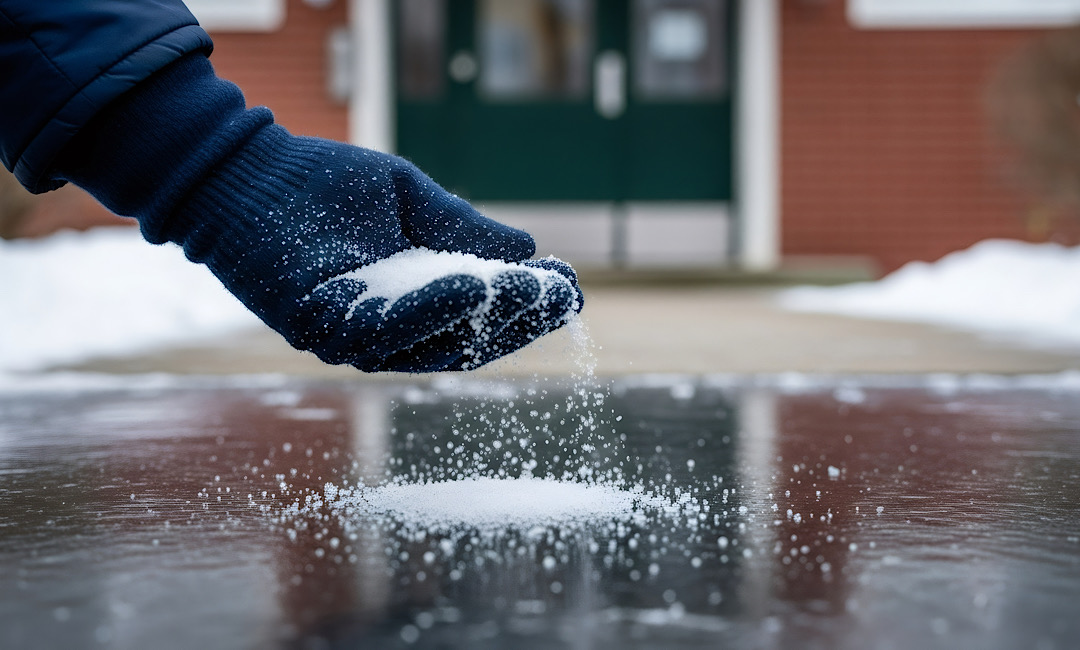
Idaho Concrete Lifting, a leader in slab repair and concrete lifting solutions, knows firsthand how winter weather in the Gem State causes significant—yet often unnoticed—damage to concrete. For many Idaho homeowners, snow, ice, and freezing temperatures are seen as temporary inconveniences. But beneath the surface, they create the perfect storm for concrete deterioration, particularly in driveways, patios, sidewalks, and garage floors. This damage rarely happens all at once. Instead, it develops slowly, often over several winters, making it easy to overlook until visible problems appear.
Homeowners often assume concrete is “set it and forget it” material. Once poured, it’s expected to last decades without intervention. While concrete is durable, it is not immune to environmental stress. Idaho’s unique winter climate creates conditions that place repeated pressure on slabs, foundations, and walkways. When that pressure goes unnoticed year after year, it can lead to costly repairs, safety hazards, and long-term property value concerns.
Understanding how winter impacts concrete allows homeowners to spot problems earlier, take preventive steps, and choose repair solutions that address the root cause rather than surface symptoms.
How Freeze–Thaw Cycles Damage Concrete in Idaho
In Idaho’s high desert and mountain valleys, temperatures frequently fluctuate above and below freezing in winter, sometimes even within a 24-hour period. These freeze–thaw cycles are the root cause of much of the concrete damage Idaho homeowners face. Unlike regions that remain consistently cold, Idaho’s climate repeatedly forces concrete to expand and contract.
The science is simple but destructive:
- Water seeps into pores and small cracks in concrete.
- When temperatures drop, the water freezes and expands by about 9% in volume.
- This expansion puts pressure on the surrounding concrete, widening cracks and creating new ones.
- As the cycle repeats, damage compounds.
According to the Portland Cement Association, “freeze–thaw deterioration is one of the most common causes of concrete failure in cold climates.” Concrete doesn’t need to be visibly cracked for this damage to begin. Even microscopic pores in the slab can absorb moisture, making newer concrete just as vulnerable as older surfaces if it is not properly sealed or supported.
In Idaho cities like Boise, Twin Falls, and Idaho Falls, where daytime highs can reach the 40s and 50s but drop into the teens at night, these conditions are prevalent all winter long. The National Weather Service notes that regions like the Treasure Valley can experience 50 to 70 freeze–thaw cycles per year. Each cycle weakens concrete slightly, and over time, that cumulative stress becomes visible.
Signs of Winter Concrete Damage Most Homeowners Miss
Because freeze–thaw damage often starts internally, it can remain invisible until the structure of the concrete is already compromised. However, there are early indicators homeowners should monitor closely, especially during late winter and early spring when snowmelt reveals changes in surface conditions.
1. Surface Flaking or Spalling
Thin layers of concrete peel or pop off the surface. While often dismissed as cosmetic wear, spalling indicates that moisture has penetrated the slab and frozen beneath the surface. Once this process begins, exposed areas become more vulnerable to additional water intrusion.
2. Hairline Cracks
Cracks smaller than 1/8 inch may seem harmless, but they act as moisture gateways. Over multiple winters, these cracks widen as water repeatedly freezes inside them. What begins as a barely noticeable line can eventually split a slab into uneven sections.
3. Sinking or Uneven Slabs
Winter soil heaving followed by spring thaw can create voids beneath concrete. When the soil contracts or washes aways proper winterization, slabs lose support and begin to settle. This often occurs in driveways and sidewalks where snowmelt concentrates.
4. Efflorescence
This white, powdery residue often appears in spring as moisture moves through concrete and evaporates at the surface. While not dangerous on its own, efflorescence is a strong indicator of water movement within the slab.
5. Garage Floor Pitting
Repeated exposure to deicing salts and meltwater tracked in by vehicles accelerates surface breakdown. Small pits and rough patches reduce durability and make future cracking more likely.
Ignoring these signs until warmer months often results in more severe damage. Idaho Concrete Lifting recommends evaluating concrete surfaces during winter or early spring to catch problems before they escalate.
Why Idaho Concrete is Especially Vulnerable in Winter
While freeze–thaw damage affects all northern states, Idaho’s geography and soil composition make its concrete especially vulnerable. Many residential neighborhoods are built on expansive or moisture-retaining soils that react dramatically to seasonal temperature changes.
- High elevation and arid air can cause concrete to cure improperly or lose surface moisture too quickly, making it more brittle over time.
- Volcanic and clay-heavy soils common in southern Idaho retain water and shift during freeze–thaw cycles, increasing slab movement.
- Inadequate drainage around homes allows meltwater to pool near concrete, increasing saturation during freezing events.
A 2023 report by the American Society of Civil Engineers noted that over 60% of residential concrete in cold regions lacks proper winterization, including sealing, proper grading, or soil stabilization.
Long-Term Consequences of Winter Concrete Damage
Concrete damage caused by Idaho winters is more than a cosmetic issue. Over time, it can affect safety, structural integrity, and overall home value.
- Uneven slabs increase the risk of trips and falls.
- Water intrusion can lead to foundation stress or basement moisture problems.
- Visible damage often raises concerns during home inspections.
- Delayed repairs typically cost significantly more than early intervention.
Addressing these issues early allows homeowners to protect both their property and the people who use it daily by identifying common foundation problems before they spiral.
Concrete Lifting: A Reliable Winter Repair Solution
Contrary to common belief, not all concrete repairs need to wait until warm weather. Idaho Concrete Lifting specializes in polyurethane foam injection, a modern solution that stabilizes and lifts sunken slabs with minimal disruption.
This process involves injecting expanding foam beneath the concrete to fill voids and restore support. The foam cures quickly, even in cold conditions, allowing repairs to be completed year-round.
Key advantages include:
- No heavy demolition or replacement
- Immediate use after repair
- Precise lifting control
- Long-term moisture resistance
By stabilizing slabs before the spring thaw, homeowners prevent additional movement and reduce the risk of further cracking.
FAQs About Idaho Winter Concrete Damage
1. Can I wait until spring to fix concrete cracks or sinking?
Waiting allows freeze–thaw cycles to worsen damage. Small problems often grow significantly during the winter months.
2. Is concrete lifting effective in freezing temperatures?
Yes. Polyurethane foam cures rapidly and remains effective even in cold Idaho winters.
3. What if my concrete is already sealed?
Sealants degrade over time. In Idaho’s climate, resealing every two to three years is recommended.
4. How do I know if my concrete is hollow underneath?
Uneven surfaces, cracking, or hollow sounds when tapped often indicate voids beneath slabs.
5. Does insurance cover freeze–thaw concrete damage?
Most policies exclude ground movement and wear-related damage. Preventive maintenance is the best protection.
The Smart Move for Idaho Homeowners
With dozens of freeze–thaw cycles each winter, concrete in Idaho homes endures constant stress. What starts as a minor imperfection can quickly turn into a major issue if left unaddressed. Proactive evaluation and repair help homeowners avoid unnecessary expenses while maintaining safe, level surfaces around their property.
Idaho Concrete Lifting provides professional assessments and proven repair solutions designed specifically for Idaho’s climate. Addressing concrete issues before they worsen ensures long-term stability, improved safety, and peace of mind throughout every season.