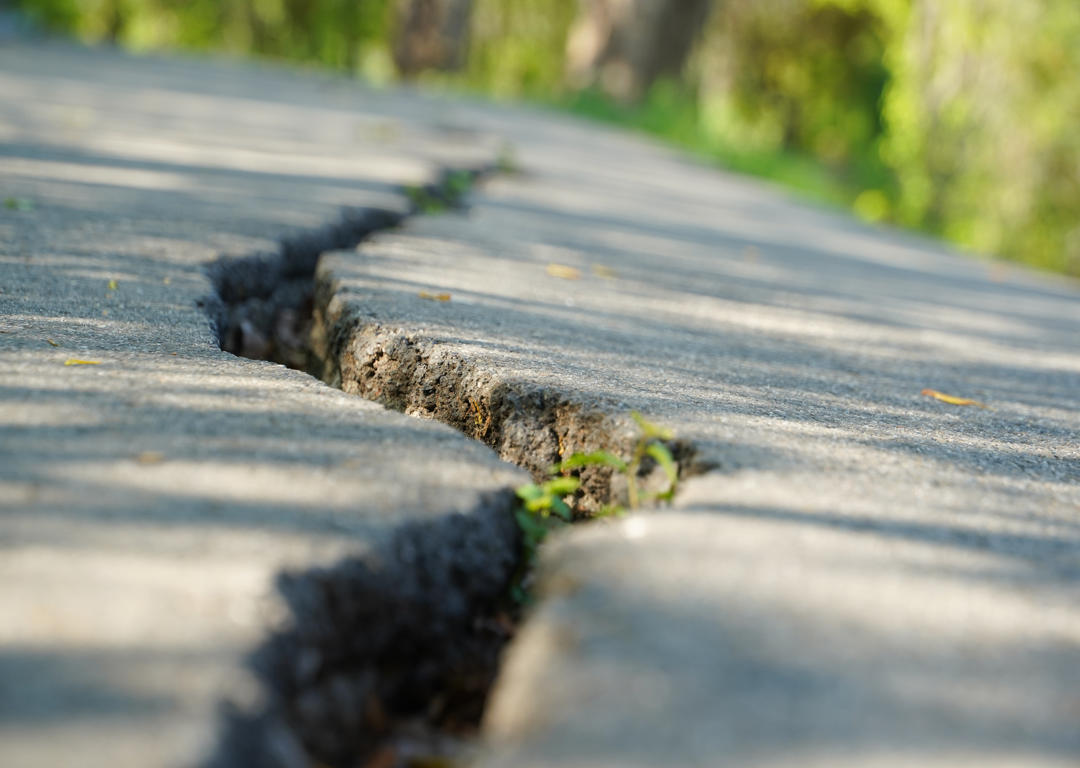
When concrete starts cracking, sinking, or becoming uneven, many homeowners immediately look for the fastest and least expensive fix. Online searches often lead to quick patch products, bargain repair services, or temporary solutions that promise immediate results at a fraction of the cost of professional work. On the surface, these options seem appealing—especially when the damage looks minor.
The problem is that cheap concrete repairs rarely address the real issue. While they may improve appearance temporarily, they often fail within months or a few seasons. When that happens, homeowners end up paying again for additional repairs, sometimes multiple times, before finally investing in a permanent solution.
At Idaho Concrete Lifting, we frequently work with homeowners who tried to save money with quick fixes, only to find that the problem came back worse than before. Understanding why temporary repairs fail—and why professional concrete lifting provides long-term value—can help you avoid repeat costs and ongoing frustration.
Why Cheap Concrete Repairs Are So Tempting
Concrete problems often start small. A slight slope in the driveway. A hairline crack near the sidewalk edge. A patio slab that’s just a little uneven. When the damage doesn’t look severe, it’s natural to assume a small repair is all that’s needed.
Cheap repair options are appealing because they offer:
- Lower upfront cost
- Fast application
- Minimal disruption
- DIY or “one-day fix” promises
Unfortunately, these solutions focus on surface appearance rather than structural stability. They are designed to cover symptoms, not correct the underlying cause of the damage.
The Real Cause Most Cheap Repairs Ignore
The majority of residential concrete problems are not caused by the concrete itself. They are caused by what’s happening beneath it.
In Idaho, soil movement driven by moisture, freeze–thaw cycles, and poor compaction is the leading cause of sinking and uneven concrete. When soil shifts or erodes, voids form beneath the slab. The concrete above settles into those voids, creating cracks, slopes, and trip hazards.
Cheap repairs almost never address soil instability. Instead, they focus on filling visible cracks or leveling surfaces cosmetically, leaving the underlying problem untouched.
Common “Cheap” Concrete Repairs That Fail
Many low-cost repair options are marketed as permanent solutions, but most are temporary by design. Some of the most common examples include:
Concrete patching and crack fillers, which seal visible cracks but do nothing to restore lost support beneath the slab.
Resurfacing and overlays, which improve appearance but add weight to an already unsupported slab, often accelerate future settlement.
Mud or grout patching applied without proper stabilization, which can wash out over time and reintroduce voids.
DIY foam products that lack density and control, leading to uneven lifting or short-term results.
These approaches may make concrete look better briefly, but they rarely stop movement. Once the soil continues to shift, the damage returns—often faster than before.
The Hidden Costs of Temporary Fixes
Cheap repairs often appear affordable because they focus only on the immediate cost. What they don’t account for is the long-term expense of repeated failure.
Hidden costs commonly include:
- Paying for the same repair multiple times
- Increased damage as the settlement worsens
- Additional cracks caused by ongoing movement
- Loss of time and inconvenience with repeated fixes
- Eventual need for full replacement
What starts as a small repair can turn into a much larger project simply because the real problem was never addressed.
Why Repeat Repairs Make Damage Worse
Each time a slab continues to settle, stress redistributes across the concrete. Cracks widen, edges chip, and adjacent slabs are often affected. Temporary fixes mask early warning signs, allowing the problem to progress unnoticed.
In some cases, repeated patching actually weakens the concrete by trapping moisture or adding uneven weight. This can turn a slab that was once suitable for lifting into one that eventually requires replacement.
Addressing the root cause early prevents this cycle and protects the integrity of the existing concrete. Reviewing the top signs your concrete needs lifting or repair can help homeowners act before damage escalates.
How Professional Concrete Lifting Solves the Real Problem
Professional concrete lifting is designed to correct the underlying cause of most concrete issues: lack of support beneath the slab.
At Idaho Concrete Lifting, polyurethane foam injection is used to fill voids, stabilize soil, and gently raise sunken concrete back into position. Unlike surface repairs, this method restores structural support where it matters most. Modern systems like Poly Lift and Level are specifically engineered for long-term stability in challenging soil conditions.
Concrete lifting works by:
- Filling empty spaces beneath the slab
- Compacting and stabilizing loose soil
- Preventing further movement caused by moisture
- Raising concrete without demolition
Because the foam is lightweight and water-resistant, it performs well in Idaho’s climate and resists erosion over time.
Why Professional Lifting Saves Money Long Term
While professional concrete lifting may cost more upfront than a temporary patch, it almost always costs less over the lifespan of the concrete. It is one of the most cost-effective concrete repair solutions available when long-term performance is considered.
Long-term savings come from:
- Eliminating repeat repair costs
- Preventing additional slab damage
- Extending the life of existing concrete
- Avoiding full replacement expenses
- Reducing liability from trip hazards
Instead of paying multiple times for surface fixes, homeowners invest once in a solution that stabilizes the slab for years.
The Cost Comparison Homeowners Often Miss
When evaluating repair options, it’s important to compare total cost over time, not just initial price.
A cheap repair that fails every one to two years quickly surpasses the cost of a professional solution. Add in the inconvenience, downtime, and potential safety risks, and the true expense becomes even higher.
Concrete lifting addresses both the symptom and the cause, which is why it delivers better value despite a higher upfront investment.
When Cheap Repairs Might Be Acceptable
There are limited situations where a temporary fix may make sense, such as purely cosmetic surface blemishes that are not related to movement or support loss. In those cases, proper joint sealing in concrete maintenance may be sufficient to protect against moisture intrusion.
However, when concrete is sinking, sloping, or cracking due to soil issues, temporary fixes are rarely appropriate. Understanding the nature of the problem is key to choosing the right solution.
Why an Assessment Matters Before Any Repair
A professional assessment determines whether the concrete is structurally sound and suitable for lifting. This step prevents unnecessary spending on repairs that won’t last.
A proper evaluation looks at:
- Slab condition and thickness
- Crack patterns and severity
- Elevation differences
- Soil stability and drainage
- Signs of voids beneath the slab
Without this information, any repair decision is essentially a guess.
How Idaho’s Climate Makes Cheap Repairs Riskier
Idaho’s freeze–thaw cycles, seasonal moisture, and soil composition make temporary repairs especially vulnerable to failure. Seasonal shifts, including how Idaho weather affects your concrete, play a major role in slab movement.
Moisture intrusion, soil expansion, and temperature swings quickly undermine surface-level fixes. Professional lifting methods are designed to account for these conditions, while cheap repairs are not.
What Idaho Homeowners Should Take Away
Cheap concrete repairs often cost more in the long run because they fail to address the real issue. Temporary fixes may improve appearance briefly, but they rarely stop settlement or prevent repeat damage.
Professional concrete lifting provides long-term value by restoring support beneath the slab, stabilizing soil, and preventing future movement. While the upfront cost may be higher, the long-term savings and peace of mind make it the smarter investment.
Idaho Concrete Lifting helps homeowners avoid the cycle of repeat repairs by offering solutions that last. When concrete problems are addressed correctly the first time, homeowners save money, reduce frustration, and protect their property for years to come.