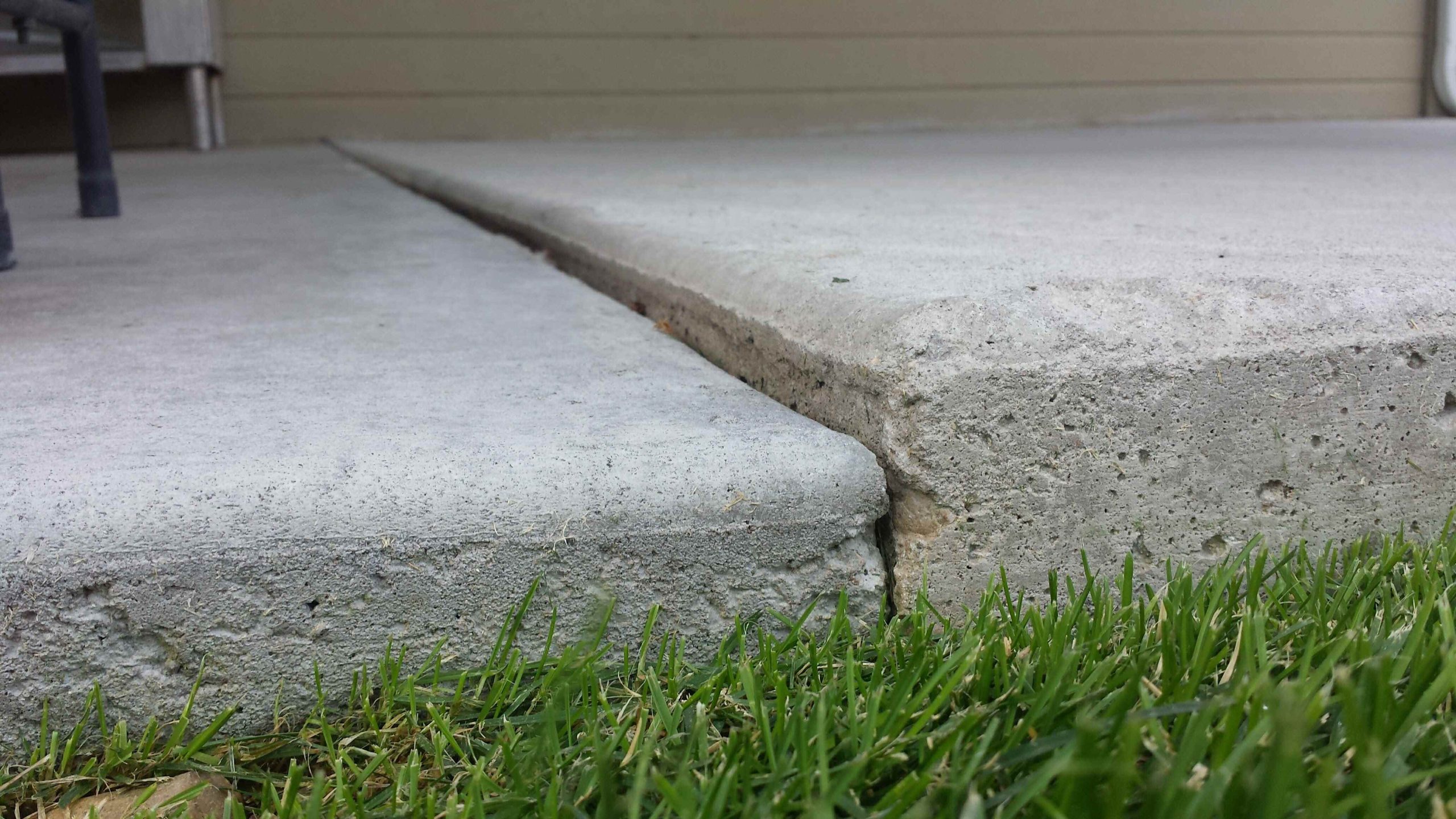
Most homeowners don’t think much about their driveway until something goes noticeably wrong. A tripping hazard appears. Water starts pooling where it never did before. A crack that seemed minor last fall has quietly doubled in length over the winter. When Idaho Concrete Lifting hears from homeowners about driveway problems, the conversation almost always reveals that the warning signs were present well before the damage reached the point where it became impossible to ignore.
Idaho’s summer conditions create a specific window where driveway concrete problems that developed over the winter and spring become both more visible and more urgent. The hot, dry conditions that settle over southern Idaho and eastern Oregon from June through August accelerate soil shrinkage beneath concrete slabs, which means a driveway that was borderline in May can shift meaningfully by August. Catching the warning signs early gives homeowners the option of a straightforward repair rather than a costly replacement.
Here are the seven signs that your concrete driveway is telling you it needs attention this summer.
Sign 1: Visible Unevenness Between Slab Sections
The most obvious sign that driveway concrete needs lifting is a visible height difference between adjacent slab sections. When one section sinks relative to its neighbor, it creates a step that is easy to feel when driving over it and increasingly noticeable when walking across the driveway surface.
This kind of differential settling happens when the soil beneath one slab section loses support faster than the section next to it. In Idaho, the clay-heavy soils common throughout the Treasure Valley and surrounding areas are particularly prone to this pattern. Clay expands when wet and contracts when dry, and the repeated seasonal cycling of expansion and contraction creates voids beneath concrete slabs that cause individual sections to drop unevenly.
A height difference of even half an inch between slab sections represents a meaningful tripping hazard and signals that the soil displacement beneath the lower slab is already significant. Left unaddressed, the differential typically increases rather than stabilizing on its own. Why concrete sinks is directly tied to this soil behavior, and understanding the mechanism helps homeowners recognize that the problem is below the surface rather than in the concrete itself.
Sign 2: Cracks Running Along or Across Slab Sections
Not all driveway cracks indicate a need for lifting, but certain crack patterns are reliable indicators that the concrete has lost adequate subgrade support and is beginning to fracture under the load stress that unsupported slabs experience.
Cracks that run diagonally across the corner of a slab section, cracks that span the full width of a section from joint to joint, and cracks that have a visible vertical displacement where one side is higher than the other are all signs that the slab is moving rather than simply experiencing surface shrinkage. These are structural cracks caused by uneven settlement, and they will continue to develop as long as the underlying soil condition that caused them goes unaddressed.
Surface shrinkage cracks, which are narrow, shallow, and tend to form a map-like pattern across the surface, are a separate category and are generally less urgent. The distinction matters because addressing structural movement cracks requires lifting and stabilizing the slab, while surface cracks are primarily a sealing and maintenance issue. Addressing common concrete cracks, their causes, and repair methods covers this distinction in detail and helps homeowners identify which category their driveway cracks fall into.
Sign 3: Water Pooling on the Driveway Surface
A properly installed concrete driveway is graded to direct water away from the home’s foundation and off the driveway surface toward designated drainage areas. When sections of the driveway sink, the original grade is disrupted and water that previously drained away begins to pool in the low spots created by the settled slabs.
Pooling water on a driveway is more than an inconvenience. It accelerates the underlying problem by saturating the soil beneath the settled sections, which softens the subgrade further and leads to additional settlement. It also creates a freeze-thaw hazard in fall and winter when pooled water freezes and expands, widening existing cracks and stressing the slab edges at section joints.
If you notice that water sits on your driveway surface after rain or irrigation rather than draining away cleanly, the driveway’s grade has been compromised by settlement. Summer soil shifts and why concrete sinks explains how Idaho’s seasonal dry conditions accelerate the soil shrinkage that disrupts driveway drainage.
Sign 4: Gaps Between the Driveway and Garage Apron
The joint where a driveway slab meets the garage apron or the garage floor itself is one of the most telling locations to inspect for settlement. When driveway slabs sink relative to the garage structure, a gap opens at this joint that is both a functional problem and a visual indicator of how much movement has occurred.
A gap at the garage transition means that vehicles are crossing a step every time they enter or exit, which is hard on vehicle suspensions and tires over time and creates a jarring impact that transmits stress into both the driveway slab and the garage apron. It also means that water, debris, and pests have a direct entry point into the gap beneath the driveway slab, which accelerates the soil erosion and void formation that caused the settlement in the first place.
This particular sign is worth checking at the start of summer because the dry conditions of Idaho’s warmer months cause soil to contract and pull away from structures, which often causes gaps that were small in spring to become noticeably larger by midsummer. The top signs your concrete needs lifting or repair includes this indicator among the most reliable early warning signs homeowners should watch for.
Sign 5: Cracks Appearing at Joints or Edges
Concrete driveway sections are designed with joints that act as controlled weak points where the slab can flex and move without cracking across the surface. When the soil support beneath a slab section fails unevenly, the joint areas and slab edges are the first places where that stress becomes visible.
Cracking along the length of a joint, spalling at the joint edges, or crumbling at the corners of slab sections all indicate that the concrete is experiencing movement stress concentrated at the points where it is thinnest and most vulnerable. These locations are also where water infiltration is most likely, which means joint and edge damage that is not addressed tends to accelerate as water enters the cracks, saturates the subgrade, and creates further void formation beneath the slab.
Crack and joint caulking as a maintenance practice is relevant here because sealing joint cracks is an important part of preventing water infiltration, but sealing alone does not address the underlying settlement that is causing the joint stress in the first place.
Sign 6: The Driveway Feels Soft, Hollow, or Unstable Underfoot
This sign is less visually obvious than the others but is one of the most reliable indicators that a concrete driveway slab has lost its subgrade support. A properly supported concrete slab feels completely solid and stable when you walk or drive on it. A slab with voids beneath it feels slightly different, sometimes soft underfoot, sometimes producing a hollow sound when tapped, and sometimes visibly flexing slightly under vehicle weight.
The hollow feeling or sound is caused by the absence of soil contact beneath the slab. When soil shrinks away or erodes from under a concrete section, the slab spans the void and is supported only at its edges. Under foot or vehicle load, the slab deflects slightly into the void, which over time develops cracks and accelerates settlement as the concrete fatigues from repeated unsupported loading.
If any section of your driveway produces a hollow sound when you tap it with a hard object, or if it feels noticeably less stable than adjacent sections under foot traffic, that is a reliable indicator that void formation has already occurred beneath the slab. The benefits of poly lift and level for sinking concrete explains how the polyurethane foam injection process fills these voids and restores full subgrade support without requiring slab removal.
Sign 7: Visible Separation from Borders, Curbs, or Adjacent Surfaces
A concrete driveway that is settling often reveals that movement through gaps and separations that appear between the driveway surface and adjacent fixed elements. Gaps between the driveway edge and a concrete curb, separation between the driveway and a neighboring sidewalk section, and pulling away from landscape borders or edging all indicate that the driveway slab is moving downward relative to fixed reference points.
These separations are particularly visible in summer when Idaho’s dry conditions cause maximum soil contraction. A driveway that appeared to be in reasonable contact with surrounding surfaces in spring may show clear separation gaps by July or August as the dry season progresses and the soil beneath continues to shrink.
Separation gaps are also entry points for water during fall rain events and irrigation, which creates a cycle where the summer’s dry-season shrinkage is followed by wet-season soil saturation and further settlement. Addressing the separation before fall arrives prevents this cycle from driving additional movement through another season. Common causes of concrete settlement and how to prevent it covers the soil and environmental factors that drive this pattern in Idaho’s climate.
Why Summer Is the Right Time to Act
Homeowners sometimes assume that concrete repair is a fall or spring project and that summer is not the right time to address driveway problems. In Idaho, the opposite is often true. Summer’s dry conditions mean that soil is at its most contracted state, which makes the voids and settlement patterns beneath concrete slabs easiest to identify accurately. Polyurethane concrete lifting can be performed in summer conditions without the complications that frozen ground creates in winter or saturated soil creates in early spring.
Acting in summer also means the driveway is repaired and stabilized before fall rain and freeze-thaw cycles begin, which is the period when unsupported and cracked concrete sustains its most rapid deterioration. A driveway that enters fall in good condition with proper subgrade support and sealed joints is significantly better positioned to handle Idaho’s winter conditions than one that carries unresolved settlement and open cracks into the cold season. How to protect your concrete surfaces before winter addresses the preparation steps that make concrete last longer, and summer repair is the first step in that preparation.
Lifting vs. Replacing: Why Repair Is Usually the Better Option
One of the most common questions homeowners have when they identify driveway settlement is whether repair or full replacement is the right answer. For most residential driveway situations where the concrete itself is structurally sound and the problem is subgrade settlement rather than catastrophic slab failure, lifting and leveling is significantly more cost-effective than replacement and delivers comparable or better long-term results.
Polyurethane concrete lifting restores the original grade of the driveway, fills voids beneath the slab, and stabilizes the subgrade without requiring the removal and disposal of existing concrete or the extended cure time that new concrete requires. The process is minimally invasive, typically completed in a single visit, and allows normal use of the driveway within hours of completion. Cost-effective concrete repair solutions makes the case for repair over replacement in detail, and for most homeowners the economics are clear once the full picture is understood.
Replacement makes more sense when slabs are severely fractured across multiple sections, when the concrete itself has deteriorated to the point where it can no longer function structurally, or when the driveway configuration needs to change. A professional assessment is the most reliable way to determine which approach is appropriate for a specific driveway’s condition.
Frequently Asked Questions About Concrete Driveway Lifting in Idaho
How do I know if my driveway needs lifting or just crack repair?
Crack repair alone addresses surface damage but does not restore subgrade support or correct unevenness. If your driveway has visible height differences between sections, water pooling, hollow-sounding areas, or gaps at the garage transition, lifting is needed to address the underlying problem. Surface crack repair without lifting is a temporary measure when the root cause is settlement. A professional evaluation can determine whether the settlement has progressed to the point where lifting is needed or whether sealing and monitoring is appropriate.
Is concrete lifting a permanent fix for a sunken driveway?
Polyurethane concrete lifting is a durable and long-lasting repair when the underlying soil conditions are properly addressed. The polyurethane foam used in the lifting process does not compress, biodegrade, or wash away, which means the void fill and subgrade stabilization it provides is permanent. If the conditions that caused the original settlement, such as poor drainage directing water beneath the slab, are not corrected alongside the lifting, future settlement from new void formation is possible. A thorough assessment and repair process addresses both the symptom and the contributing factors. Soil stabilizing services can be part of a comprehensive solution when subgrade conditions require more than lifting alone.
How long does concrete driveway lifting take?
Most residential driveway lifting projects are completed in a single visit of a few hours depending on the number of slab sections involved and the extent of the settlement. The polyurethane foam cures rapidly, and driveways are typically ready for normal vehicle traffic within an hour or two of completion. This is one of the significant practical advantages of lifting over replacement, which requires days of cure time before the surface can be used.
Will the lifted sections match the height of the rest of my driveway?
Concrete lifting is designed to restore slabs to their original grade, which means the lifted sections should align with adjacent sections and restore the smooth, even surface the driveway had when it was new. In cases where adjacent sections have also experienced some settlement, a comprehensive assessment will identify all sections requiring attention so the entire driveway surface is restored to a consistent level rather than addressing only the most obvious low spots.
Can concrete lifting fix cracks as well as unevenness?
Concrete lifting addresses the settlement and void formation that cause structural cracks to develop and worsen. Once the slab is lifted and the subgrade is stabilized, existing cracks can be sealed to prevent water infiltration and further deterioration. The lifting process itself does not close existing cracks, but by removing the movement stress that caused them it prevents new cracks from forming and keeps existing ones from widening. Crack and joint caulking, as a follow-up to lifting, is a recommended step for maintaining the repair long-term.
How does Idaho’s summer heat affect concrete and its subgrade?
Idaho’s hot, dry summers cause clay-rich soils to lose moisture and contract significantly, which creates voids beneath concrete slabs as the soil pulls away from the underside of the concrete. This soil contraction is the primary driver of summer driveway settlement in the region. The process is gradual enough that homeowners often don’t notice it happening until the accumulated movement becomes visible, which is why summer inspections are particularly worthwhile. Spring soil shifts and how Idaho weather affects concrete covers the seasonal soil dynamics that affect concrete performance throughout the year.
Don’t Wait Until a Small Problem Becomes a Big One
The warning signs of a sinking driveway are easiest and least expensive to address before another season of settlement adds to the damage. Contact Idaho Concrete Lifting to schedule a free assessment and find out what it would take to get your driveway back to level before fall arrives.