When Idaho’s winter cold sets in, concrete driveways, patios, and walkways face one of the harshest tests of the year. The combination of ice, road salt, and repeated freezing and thawing can wreak havoc on even the strongest concrete surfaces. Homeowners often don’t realize the damage until spring, when cracks, spalling, and surface flaking suddenly appear. But the truth is, most winter concrete damage is preventable with a little foresight and a few smart care strategies.
As temperatures across Boise, Nampa, Idaho Falls, and Coeur d’Alene drop below freezing, homeowners should take proactive steps to preserve their concrete surfaces. Idaho Concrete Lifting, a local leader in concrete repair and maintenance, emphasizes that early preparation and consistent upkeep are key to avoiding expensive springtime repairs. Understanding how Idaho’s climate affects concrete—and how to counteract it—can help homeowners extend the life of their driveways and walkways for decades.
This season, give your concrete the protection it needs. Here’s what every Idaho homeowner should know about caring for concrete during the long, icy months ahead.
1. Understanding the Winter Enemies of Idaho Concrete
Concrete may appear rock-solid, but it’s actually porous and vulnerable to moisture. When snow and ice melt, water seeps into tiny pores and cracks. As temperatures drop again, that trapped moisture freezes and expands by nearly 9% in volume, exerting enormous internal pressure that leads to cracking and scaling. This process, known as the freeze-thaw cycle, is Idaho’s number-one cause of winter concrete damage.
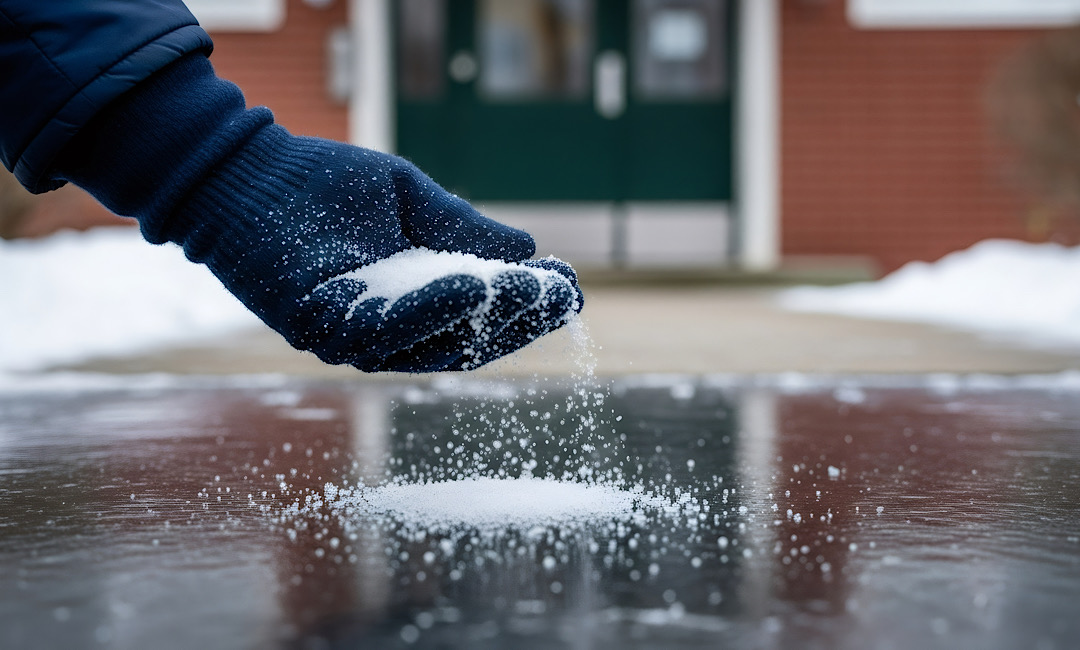
Adding to the problem is road salt. Most homeowners use deicing salts—especially sodium chloride—to melt snow and ice on their driveways. While effective for traction, salt worsens the freeze-thaw problem by drawing moisture into the concrete surface. Over time, this combination leads to surface flaking (spalling), pitting, and deep cracking.
According to the Portland Cement Association, improper winter maintenance shortens concrete lifespan by as much as 40% in cold-weather regions. Idaho’s fluctuating winter temperatures, ranging from above freezing during the day to subzero at night, make this deterioration even more likely.
Here’s how these three culprits—ice, salt, and temperature swings—combine to damage concrete:
- Ice buildup traps moisture and creates uneven surface pressure.
- Salt accelerates melting, increasing water penetration.
- Refreezing expands trapped water, deepening cracks.
- Repeated cycles of melting and freezing cause progressive structural breakdown.
Homeowners in areas like Twin Falls or Rexburg, where snow and ice are constant companions, should pay special attention to these dynamics. Recognizing the risk is the first step toward effective winter concrete protection.
2. Choose the Right Deicing Products (and Avoid the Wrong Ones)
Not all deicers are created equal. Many common ice-melting products can do more harm than good when used on concrete. Sodium chloride (rock salt), for instance, is highly corrosive and damages concrete surfaces, metal rebar, and even landscaping. Instead, consider safer alternatives that are less damaging and equally effective.
Best Deicers for Idaho Concrete:
- Calcium Magnesium Acetate (CMA): Non-corrosive and environmentally friendly, though slightly more expensive.
- Calcium Chloride: Works well in extremely cold conditions and is less damaging than rock salt.
- Sand or Kitty Litter: Provides traction without chemically reacting with concrete.
Deicers to Avoid:
- Sodium Chloride (Rock Salt): Causes surface flaking and corrosion.
- Ammonium Nitrate or Ammonium Sulfate: Highly destructive to concrete integrity.
When applying deicers, moderation is key. Excessive use increases water absorption and accelerates damage. Instead, spread a thin, even layer, then remove melted snow promptly to minimize moisture penetration.
Pro Tip from Idaho Concrete Lifting: Avoid using deicers on new concrete (less than 12 months old). Fresh concrete is still curing and more porous, making it especially susceptible to chemical damage.
3. The Importance of Sealing and Maintenance Before Winter
One of the best ways to prevent concrete damage is to seal your surfaces before winter begins. A high-quality penetrating sealer acts as a barrier, preventing water, salt, and ice from entering concrete pores. For Idaho’s climate, experts recommend applying a silane- or siloxane-based sealer designed for freeze-thaw protection.
A properly sealed driveway or walkway can:
- Repel moisture, reducing freeze-thaw expansion.
- Prevent salt intrusion, minimizing corrosion.
- Enhance durability, extending lifespan by up to 10 years.
- Preserve appearance, preventing discoloration and surface scaling.
If sealing wasn’t completed before the first snowfall, it’s not too late. Clear the surface, allow it to dry completely, and apply a cold-weather-rated sealer on a mild day above 40°F. Even mid-winter sealing can reduce further damage.
In my experience assisting Idaho homeowners, the difference between a well-sealed and unsealed driveway after a tough winter is striking. Sealed surfaces emerge smooth and intact, while unsealed ones show visible cracks, pits, and salt stains that require costly spring repairs.
4. Smart Snow and Ice Removal Practices
Snow removal plays a major role in winter concrete care. Using the wrong tools or methods can unintentionally damage surfaces.
Best Practices for Snow Removal:
- Use plastic or rubber-edged shovels instead of metal ones to prevent scratching the surface.
- Avoid metal ice chippers, which can chip the concrete and expose it to moisture.
- Clear snow early and often, preventing compacted layers that trap ice and moisture.
- Use snow blowers carefully, ensuring blades don’t contact the concrete directly.
It’s also smart to sweep away leftover deicing material and sand once conditions improve. These residues can hold moisture, reintroducing water to the surface and restarting the freeze-thaw cycle.
Homeowners should also check for areas where melting snow drains toward concrete slabs. Redirect runoff away from the surface using downspout extensions or trench drains. Poor drainage is one of the top causes of wintertime cracking and foundation movement in Idaho homes.
Idaho Concrete Lifting often recommends combining proper snow removal with early concrete inspection. Identifying small cracks or uneven surfaces early allows for quick repair before winter stress deepens the damage.
5. Identifying and Fixing Small Cracks Before They Spread
Even minor concrete cracks can expand rapidly during Idaho’s cold months. A small, hairline crack today can become a major structural issue by spring if water enters and freezes repeatedly.
Warning Signs of Developing Concrete Damage:
- Hairline fractures are widening over time.
- Scaling or flaking along the surface.
- Pitting or uneven discoloration.
- Small sections are beginning to lift or sink.
If you notice any of these early signs, Idaho Concrete Lifting recommends prompt attention. Techniques like polyurethane foam injection can stabilize sunken sections and fill cracks before moisture worsens them. This process is quick, affordable, and ideal for Idaho’s cold temperatures.
By injecting a high-density foam beneath affected areas, the surface is lifted, stabilized, and sealed from underneath—preventing further cracking or moisture intrusion. Unlike full replacement, which is costly and time-consuming, this repair can be done even during winter.
As one Boise homeowner shared after a mid-winter repair, “I was worried I’d have to wait until spring, but the repair only took a few hours. My driveway hasn’t shifted since—even after several freeze-thaw cycles.”
6. Seasonal Maintenance Tips for Long-Term Concrete Health
Maintaining concrete during Idaho’s winters requires consistency. By adopting a few seasonal habits, you can significantly extend the life of your driveway, walkway, or patio.
Winter Maintenance Checklist:
- Apply a protective sealer before or during winter.
- Shovel regularly and early after each snowfall.
- Use non-corrosive deicers like calcium magnesium acetate.
- Keep gutters, downspouts, and drains clear of ice buildup.
- Inspect for cracks monthly and schedule quick repairs if needed.
- Sweep away residual salt and sand between storms.
In addition to preventive care, scheduling an early spring inspection ensures any unnoticed winter damage is addressed immediately. Many Idaho homeowners wait until cracks become unsightly or trip hazards develop, but timely intervention saves thousands in repairs later.
7. Why Professional Concrete Maintenance Matters
DIY winter maintenance is important, but professional care ensures comprehensive protection. Idaho Concrete Lifting specializes in assessing and repairing winter-related damage, from lifting uneven slabs to sealing vulnerable joints. Their team understands Idaho’s unpredictable winter cycles and uses materials designed to perform under freezing conditions.
By hiring professionals, homeowners gain:
- Accurate damage diagnosis using moisture and level sensors.
- Expert sealing techniques that outperform store-bought products.
- Efficient crack repair using industrial-grade polyurethane.
- Preventive maintenance plans tailored to Idaho’s freeze-thaw cycle.
Whether you’re protecting a brand-new driveway or restoring an aging walkway, investing in professional winter concrete maintenance ensures your surfaces remain safe, stable, and beautiful for years to come.
Protect Your Concrete Before the Next Freeze
Idaho winters are unforgiving, but your concrete doesn’t have to pay the price. With the right maintenance plan, you can prevent cracks, scaling, and salt damage while keeping your property safe and attractive.
Idaho Concrete Lifting helps homeowners across the state protect their driveways and walkways through expert sealing, repair, and stabilization services designed for Idaho’s winter climate. Don’t wait for the spring thaw to reveal damage—take control now and ensure your concrete is ready to withstand whatever winter throws its way.
Schedule your concrete inspection today and keep your property strong, smooth, and safe all season long.