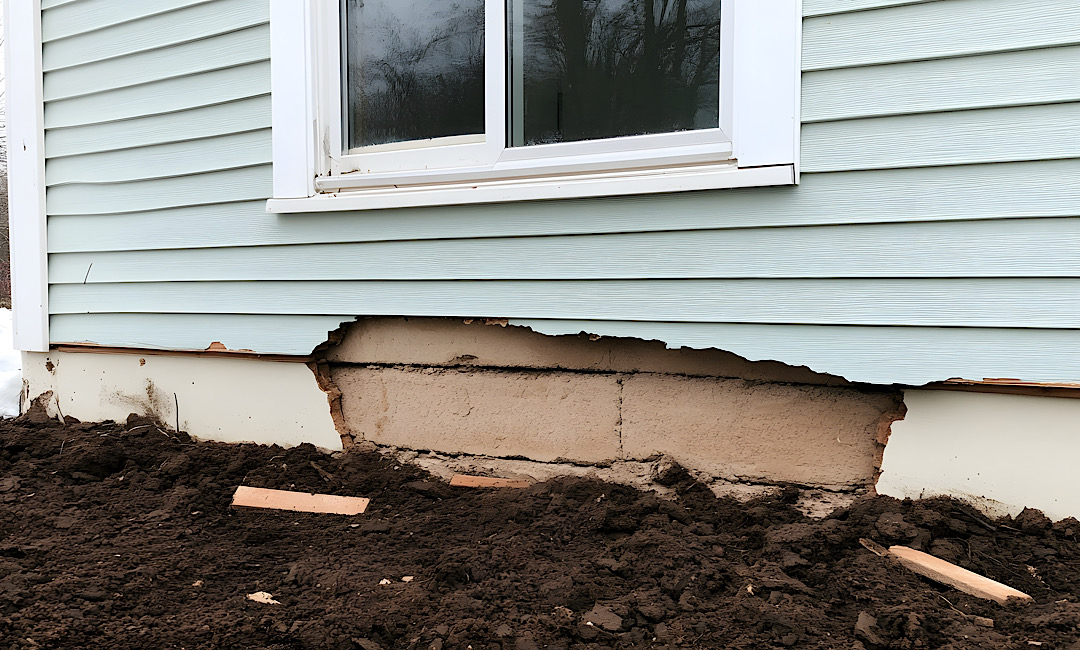
When temperatures drop across Idaho, many homeowners assume foundation repair should wait until spring. It’s a common misconception—and one that often leads to bigger problems and bigger bills. The truth is that winter is one of the most important times to address foundation issues, not delay them. Small cracks that seem harmless today can expand dramatically once Idaho’s freeze-thaw cycle begins, putting your home’s stability and safety at risk.
For homeowners in Boise, Meridian, Nampa, and Twin Falls, the winter months bring shifting soil, frozen ground, and moisture expansion—three forces that silently work against your home’s foundation. Idaho Concrete Lifting, known for expert foundation and concrete stabilization, warns that waiting until spring can multiply repair costs by two or even three times. Acting now could mean the difference between a minor fix and a full structural overhaul.
If you’ve noticed cracks in your basement walls, sloping floors, or doors that no longer close properly, those are not just cosmetic concerns—they’re early warning signs. This is the time to act, not to wait.
1. The Hidden Dangers of Idaho’s Winter on Foundations
Cold weather in Idaho brings unique geological challenges. The state’s diverse soil types—from expansive clay in the Treasure Valley to sandy loam in the Panhandle—react differently to freezing and thawing. When moisture within the ground freezes, it expands, pushing soil upward and outward against concrete structures. This movement, known as frost heave, can shift or crack foundations, particularly those already weakened by age or poor drainage.
As temperatures fluctuate, this process repeats daily—contracting, expanding, and applying pressure to your foundation. Over time, these subtle shifts lead to visible cracks in basement walls, uneven floors, or gaps around windows and doors. According to the American Society of Civil Engineers, nearly 25% of all home foundation problems in northern climates stem from freeze-thaw cycles.
Once these cracks form, they don’t remain static. When melting snow seeps into those gaps and refreezes, it widens them, causing structural movement that can compromise the entire base of your home. In Idaho’s high-altitude areas like Pocatello and Idaho Falls, where the ground can remain frozen for months, that damage can escalate quietly but rapidly.
Idaho Concrete Lifting experts often find that the most severe spring foundation failures began as minor cracks ignored during winter. Preventing expansion and soil stress through timely repair is critical to maintaining your home’s integrity.
2. Why Winter Is Actually a Smart Time for Foundation Repair
Contrary to popular belief, winter foundation repair offers several advantages for both homeowners and the repair process itself. Thanks to modern materials and technologies like polyurethane foam injection and deep soil stabilization systems, repairs can be performed effectively—even in cold weather.
Key Benefits of Winter Repairs
- Early Damage Prevention – Addressing cracks before deep freezes prevents expansion and added stress on your foundation walls.
- Stable Soil Conditions – Cold weather stabilizes moisture levels in the ground, allowing technicians to accurately identify settling or shifting areas.
- Faster Scheduling – Many Idaho repair companies, including Idaho Concrete Lifting, have shorter wait times in winter, ensuring quicker service.
- Avoiding Spring Rush – Once the thaw arrives, repair companies are booked for months. Acting early ensures you secure top-tier service and pricing.
In fact, the Concrete Foundations Association reports that polyurethane lifting and foundation injection processes can be performed successfully in temperatures as low as 20°F (-6°C). Polyurethane foam cures chemically, not through evaporation, meaning it remains reliable in cold weather where traditional methods struggle.
From a homeowner’s perspective, scheduling winter repair not only safeguards your property—it also locks in lower seasonal pricing. Waiting until spring may cost thousands more once further settling or frost damage occurs.
3. How Foundation Damage Starts—and Why It Gets Worse Fast
Foundation damage rarely happens overnight. It’s a slow process caused by the interplay of soil, moisture, and pressure. Unfortunately, Idaho’s extreme temperature swings speed that process along.
Here’s what typically happens:
- Soil Expands with Moisture: During late fall, melting snow and rain increase soil saturation.
- Ground Freezes: As water freezes, it expands by up to 9% in volume, exerting pressure on foundation walls.
- Thawing and Shifting: The ground thaws unevenly, leaving pockets of space under the foundation that lead to settling.
- Cracking and Bowing: The shifting weight causes horizontal or stair-step cracks in the basement walls.
- Water Intrusion: Once cracks form, melting snow seeps in, causing leaks, mold, and further erosion.
According to HomeAdvisor, the average foundation repair cost nationwide ranges between $2,000 and $7,500, but waiting too long can push that number well above $15,000 if structural reinforcement is needed. In Idaho’s climate, this escalation happens faster due to prolonged freeze periods and snowmelt saturation.
The earlier you address the issue, the easier and less expensive it is to correct. Winter repairs—especially with technologies like polyurethane injection—can seal cracks, fill voids, and stabilize foundations before the spring thaw makes matters worse.
4. The Role of Polyurethane Foam and Concrete Lifting in Winter Repairs
Many Idaho homeowners are surprised to learn that polyurethane foam injection, the same technology used for concrete lifting, is also highly effective for winter foundation repair. This advanced material expands beneath the slab, filling gaps and stabilizing the soil underneath. It provides a long-lasting, moisture-resistant foundation that withstands Idaho’s extreme conditions.
Advantages of Polyurethane Repair in Cold Weather:
- Temperature-Resistant Reaction: Cures independently of temperature or humidity.
- Minimal Excavation: Small holes are drilled, avoiding costly digging or demolition.
- Fast Curing: Foam sets within 15 minutes, allowing immediate stability testing.
- Permanent Solution: Resistant to erosion, settling, and future frost movement.
For example, Idaho Concrete Lifting recently completed a foundation stabilization project in Kuna during a January cold spell. The homeowner had noticed minor wall cracks in late fall. By injecting polyurethane foam under the foundation, the team restored structural integrity within hours. When spring arrived, there was no new movement, saving the homeowner thousands in potential damage.
This type of proactive winter repair not only protects the structure but also improves resale value and energy efficiency. Even small cracks can allow cold air and moisture into your basement, increasing heating costs and humidity-related wear on your home.
5. Signs It’s Time for Immediate Foundation Attention
Foundation problems can be subtle at first, but they worsen quickly once freezing temperatures set in. Homeowners should perform a visual inspection of their home’s exterior and interior each fall and early winter.
Warning Signs to Watch For:
- Cracks forming along basement walls or floors.
- Gaps around windows, doors, or trim.
- Uneven or sloping floors.
- Doors sticking or not latching properly.
- Moisture or frost along foundation joints.
- Separation between the foundation and siding.
If you notice any of these issues, contact a trusted professional immediately. Delaying could mean facing not only foundation repair but also additional costs such as basement waterproofing, wall reinforcement, or even structural re-leveling.
Idaho Concrete Lifting offers free winter evaluations that identify the cause and extent of foundation movement. Their experts assess soil composition, drainage, and frost patterns to develop a solution tailored to Idaho’s seasonal conditions.
6. The Financial Case for Acting Now
Ignoring a foundation issue during winter doesn’t make it disappear—it makes it more expensive. According to data from the National Association of Home Builders, homeowners who delay structural repairs for more than one season face an average 30–60% cost increase due to compounding damage.
Every freeze-thaw cycle widens cracks, displaces soil, and creates new voids under the foundation. As a result, what could have been a quick, affordable foam injection in December could become a full excavation project by April.
In addition to protecting structural integrity, winter repair can prevent secondary expenses like:
- Interior damage: drywall cracks, floor gaps, and broken tiles.
- Water intrusion and mold: costly to remediate once moisture enters.
- Reduced energy efficiency: air leaks through foundation gaps increase heating costs.
- Decreased home value: inspectors often flag foundation issues during sales.
Homeowners who repair early not only prevent these outcomes but also often qualify for lower seasonal pricing and faster turnaround times. Idaho Concrete Lifting encourages customers to schedule winter inspections now, while ground conditions allow efficient assessment and repair before further frost damage sets in.
7. Why Choosing an Experienced Idaho Foundation Specialist Matters
Foundation repair is not a one-size-fits-all process—especially in Idaho, where geological diversity plays a major role. From the clay-heavy soils of the Treasure Valley to the rocky terrain of eastern Idaho, different conditions require different solutions.
Local expertise matters. Idaho Concrete Lifting brings years of experience managing regional challenges such as:
- Freeze-thaw soil movement in northern regions.
- High groundwater levels in the southern Idaho basins.
- Expansive clay soils cause seasonal lifting and sinking.
- Slab settlement near irrigation or drainage systems.
Their team uses cutting-edge equipment to evaluate soil density and slab support before performing any repairs. This ensures each foundation is stabilized permanently—not temporarily patched.
Homeowners benefit not only from the immediate repair but also from long-term prevention. With proper sealing, drainage adjustments, and soil stabilization, the same issues are unlikely to return—even through Idaho’s harshest winters.
Don’t Wait for Spring—Protect Your Home Today
A foundation problem never improves with time—it only grows more expensive. Whether you’re seeing hairline cracks, uneven floors, or bowing walls, winter is the right time to act. By addressing foundation issues early, you safeguard your investment, prevent secondary damage, and avoid skyrocketing repair costs when the thaw arrives.
Idaho Concrete Lifting provides reliable, cold-weather-ready solutions that restore your home’s safety and stability quickly. Their polyurethane foam and concrete stabilization methods are proven to work in Idaho’s toughest winter conditions—so you can rest easy knowing your home is protected.
Don’t wait for the snow to melt and the problems to worsen. Schedule your winter foundation inspection today and stop small cracks from becoming big bills tomorrow.