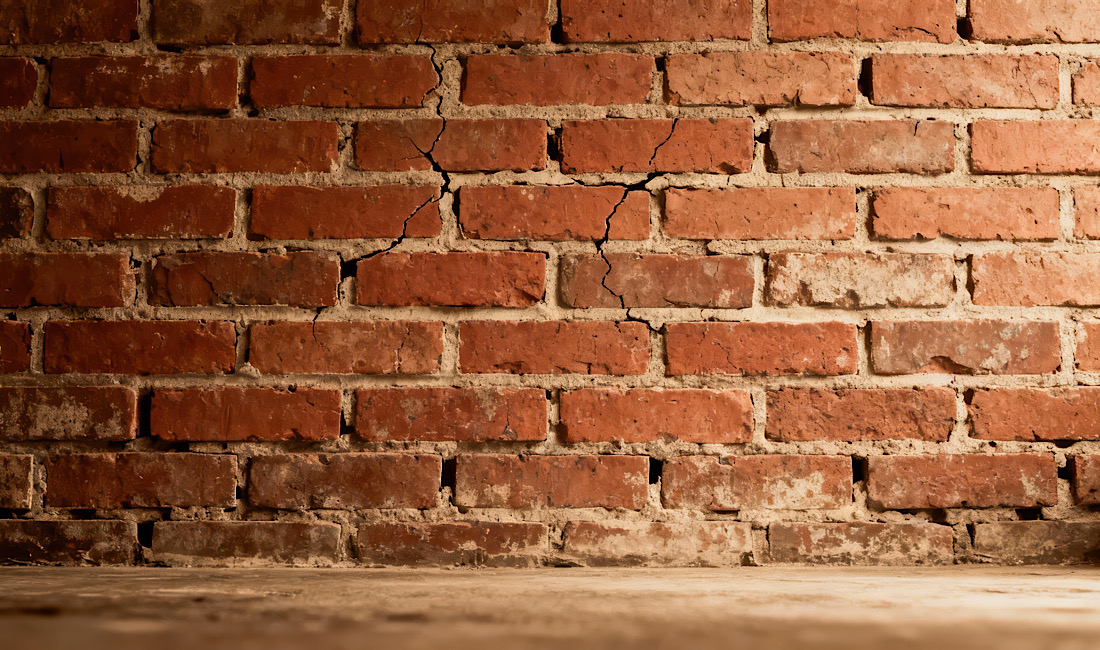
When the floor starts to slope slightly underfoot or hairline cracks begin to appear along the walls, many Idaho homeowners assume these are just signs of age or settling. However, what seems minor now may be the first indication of something far more serious—foundation damage. Left unchecked, these small symptoms can evolve into major structural issues, especially as winter weather magnifies existing weaknesses.
Across Idaho, where fluctuating temperatures, freeze-thaw cycles, and varying soil conditions all stress home foundations, understanding the early warning signs is critical. Recognizing these issues early not only prevents costly repairs but also helps protect your home’s long-term stability and value.
Idaho Concrete Lifting, a leader in local foundation repair and stabilization, reminds homeowners that the smallest signs—like uneven floors or cracks along door frames—are often your home’s way of asking for help. With a bit of knowledge and proactive attention, you can identify potential problems before they turn into full-blown foundation failures.
Let’s explore the most common early indicators of foundation trouble and how Idaho homeowners can stay ahead of them before winter sets in.
Understanding What Causes Foundation Problems in Idaho
Before identifying the symptoms, it’s essential to understand what leads to foundation issues in the first place. Idaho’s diverse geography brings a mix of soil types and seasonal weather conditions that place unique stress on residential foundations.
Common Causes of Foundation Issues:
- Expansive clay soil: The Treasure Valley and southern Idaho are known for soil that swells when wet and shrinks when dry. This constant movement leads to cracking and uneven settling.
- Freeze-thaw cycles: Water trapped in the soil freezes and expands in winter, pushing against foundations (known as frost heave) before thawing and contracting in spring.
- Poor drainage: Inadequate grading or clogged gutters cause water to pool around foundations, increasing hydrostatic pressure and weakening concrete.
- Tree roots: Roots can absorb soil moisture unevenly, leading to one side of the foundation settling faster than the other.
- Improper compaction: In newer homes, soil not properly compacted during construction can settle over time, destabilizing the foundation.
According to the American Society of Civil Engineers, roughly 25% of U.S. homes will experience foundation distress at some point, and homes in areas with expansive or moisture-sensitive soil—like much of Idaho—are especially vulnerable.
Understanding these causes helps homeowners link symptoms, like crooked floors or cracked walls, to the real underlying issue instead of merely cosmetic explanations.
Crooked or Uneven Floors: Your Home’s Silent Warning
One of the most common and often overlooked signs of foundation trouble is a floor that feels uneven or “bouncy.” Homeowners may first notice furniture tilting slightly, cabinet doors not closing flush, or even marbles rolling across the room on their own.
Why It Happens
Uneven floors typically occur when a portion of the foundation settles or shifts while the rest remains level. This imbalance causes the flooring above to slope or sag. In crawl space homes, the problem may be related to moisture damage or shifting support beams, while in slab-on-grade foundations, soil movement beneath the concrete slab is usually to blame.
How to Spot Uneven Floors
- Use a level: Place a carpenter’s level or ball on the floor to check for slope.
- Inspect transitions: Pay attention to floor transitions between rooms—uneven height often signals settling.
- Look under furniture: Gaps between furniture and the floor can indicate dips or humps.
While slight unevenness can occur naturally in older homes, sudden or progressive changes are cause for concern. If you notice worsening sloping or creaking sounds as temperatures drop, it’s time to have your foundation professionally evaluated.
Idaho Concrete Lifting frequently uses polyurethane foam injection to lift and stabilize settled concrete slabs, a fast and minimally invasive process that restores both safety and stability—ideal for Idaho homes before winter soil freezing begins.
Cracking Walls: A Visible Clue You Shouldn’t Ignore
Not all wall cracks are created equal, but they all deserve attention. Cracks in drywall, plaster, or brickwork are often among the first visible symptoms of foundation stress.
Types of Cracks and What They Mean
- Vertical cracks: Usually caused by natural settling or minor shrinkage in the foundation concrete.
- Diagonal cracks: Indicate differential settlement—when one section of the foundation sinks faster than another.
- Horizontal cracks: The most serious, often caused by soil pressure pushing against the foundation wall.
- Stair-step cracks in brick or block walls: Suggest lateral shifting or settling at corners.
When to Worry
If a crack is wider than 1/8 inch or continues to widen over time, it’s likely structural and requires immediate evaluation. Homeowners should also look for cracks that reappear after patching—this usually indicates the foundation itself is still moving.
According to the National Association of Home Builders, homes exposed to heavy moisture or extreme temperature fluctuations—both common in Idaho—are more likely to develop recurring cracks without intervention.
Regularly monitoring crack width and pattern can help you determine whether it’s time for repair or just seasonal movement.
Doors, Windows, and Trim Out of Alignment
Another subtle but reliable indicator of foundation problems is difficulty operating doors or windows. If they suddenly begin to jam, scrape, or swing open on their own, it may be because the structure has shifted slightly.
What to Look For
- Gaps are appearing between door frames and walls.
- Windows sticking during cold months.
- Trim or crown molding is pulling away from the corners.
- Cracks extending from door or window corners.
Foundation movement can twist or torque the home’s framing, misaligning the openings. Homeowners often mistake this for humidity-related swelling, but when accompanied by wall cracks or uneven floors, it points to deeper foundation settlement.
A professional foundation inspection can determine whether the problem stems from shifting soil, structural instability, or other environmental factors.
Other Early Red Flags to Watch For
Foundation issues can manifest in unexpected ways throughout your home. Some of these warning signs might appear minor, but can indicate ongoing movement or moisture intrusion.
Additional Symptoms Include:
- Gaps around baseboards or cabinets: A sign of floor sinking or wall shifting.
- Cracked tile or grout lines: Caused by uneven foundation pressure.
- Separation between walls and ceilings: Indicates vertical settlement.
- Water intrusion in basements or crawl spaces: Points to foundation cracks or drainage failures.
Moisture is a major contributing factor. According to the National Concrete Masonry Association, even small foundation leaks can erode supporting soil, creating voids that accelerate settlement.
How Idaho’s Winter Makes Foundation Issues Worse
Foundation problems don’t take the winter off. In fact, Idaho’s cold months often intensify existing damage. When temperatures drop, moisture in the soil freezes and expands, pushing against the foundation. As the weather warms, that same soil contracts, creating voids that lead to settling.
The freeze-thaw cycle repeats dozens of times each winter in Idaho, particularly in regions like Pocatello and Twin Falls, putting tremendous strain on foundations. Even minor cracks can widen as water seeps in, freezes, and expands within them.
That’s why winter inspections are essential. Idaho Concrete Lifting provides foundation assessments year-round, ensuring that problems identified in cold weather are stabilized before spring thaw exacerbates them.
When to Call a Professional Foundation Specialist
Some cosmetic issues can be safely monitored, but others demand immediate professional attention. Call for an inspection if you notice:
- Cracks wider than 1/4 inch or increasing in size.
- Sloping floors greater than 1 inch per 10 feet.
- Gaps appearing between walls and ceilings.
- Basement leaks or recurring moisture problems.
- Doors or windows that have suddenly jammed across multiple rooms.
By contacting professionals early, you can prevent expensive damage and restore stability quickly. Techniques like slab lifting, crack sealing, and soil stabilization can often be completed in a single day and save thousands compared to full foundation replacement.
FAQs: Understanding Foundation Trouble in Idaho
Can foundation repairs be done in winter?
Yes. Modern materials like polyurethane foam and epoxy injections cure well even in cold weather. Winter is an ideal time to assess and stabilize foundations before the spring thaw increases damage.
Are small cracks always a sign of foundation failure?
Not always. Hairline cracks may result from normal settling, but widening or recurring cracks signal movement. Monitoring changes over several months helps determine severity.
What is the biggest cause of foundation damage in Idaho?
The freeze-thaw cycle, combined with expansive clay soils, is the most common cause. These environmental conditions cause ongoing movement beneath foundations.
How often should I inspect my home for foundation issues?
Homeowners should perform a visual inspection at least twice a year—once in fall before freezing begins and again in spring after the thaw.
Can uneven floors be fixed without replacing the entire foundation?
Yes. In many cases, uneven floors can be corrected using polyurethane lifting or slabjacking, which levels the surface without costly demolition.
How can I prevent foundation issues?
Maintain consistent moisture around your home by grading soil away from the foundation, installing proper drainage, and keeping gutters clean year-round.
When should I call Idaho Concrete Lifting?
If you see cracks widening, doors sticking, or floors sloping, it’s time to schedule a foundation inspection. Acting early prevents small issues from turning into structural emergencies.
Protect Your Home Before Winter Damage Sets In
Your home’s foundation is quite literally the base of its stability. Ignoring the early warning signs—crooked floors, cracking walls, or sticking doors—can lead to major structural repairs later. Taking action now ensures your property remains safe, secure, and ready to withstand Idaho’s harsh winter weather.
Idaho Concrete Lifting specializes in diagnosing and repairing foundation problems before they escalate. With advanced lifting technology and decades of local experience, their team provides lasting solutions that keep Idaho homes strong through every season.
Don’t wait for spring to uncover more damage. Schedule your inspection today, identify early warning signs, and keep your home standing strong against Idaho’s toughest elements.