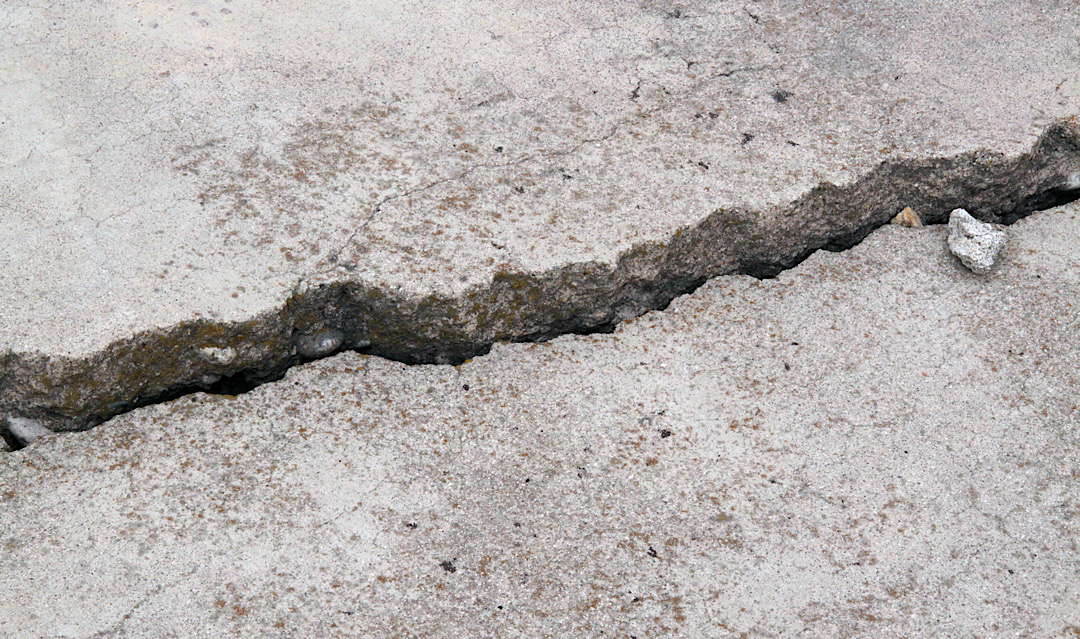
Winter can be tough on concrete surfaces in Idaho. Between freezing temperatures, snow accumulation, and repeated freeze-thaw cycles, it’s common for homeowners to notice new cracks appearing in their driveways, sidewalks, patios, or garage floors once spring arrives. While cracks can look alarming, not all of them signal serious structural problems.
In many cases, concrete cracking is simply part of the natural aging process of the material. However, some cracks can indicate deeper issues involving soil movement, drainage problems, or slab settlement. Knowing the difference between cosmetic cracks and structural warning signs can help property owners determine when repairs are necessary.
Understanding the types of concrete cracks that appear after winter helps homeowners protect their property and avoid larger structural problems in the future.
Why Concrete Often Cracks After Winter
Concrete is a durable material, but it is not completely immune to environmental stress. During winter months, concrete surfaces are exposed to extreme temperature swings that can affect both the concrete and the soil beneath it.
When water enters small pores or existing hairline cracks in concrete and freezes, it expands. This expansion places pressure on the surrounding material. As temperatures rise again and the ice melts, the pressure is released. This process repeats throughout winter, creating stress within the slab.
These freeze-thaw cycles are one of the primary causes of concrete cracking in colder climates like Idaho.
In addition to temperature changes, melting snow and seasonal rainfall can saturate the soil beneath concrete slabs. When soil becomes unstable, it may shift or erode, leading to cracking or settlement in the concrete above.
What Are Cosmetic Concrete Cracks?
Cosmetic cracks are small surface cracks that typically develop as concrete cures, ages, or responds to environmental conditions. These cracks do not affect the structural integrity of the slab and are generally considered normal.
Cosmetic cracks are often very thin and shallow. They may appear as hairline fractures across the surface of a driveway or patio.
These cracks can develop due to:
- Natural concrete shrinkage during curing
- Temperature fluctuations
- Minor ground movement
- Surface drying during installation
Most cosmetic cracks remain stable over time and do not worsen significantly.
While they may affect the appearance of the concrete, they rarely require major repairs.
Hairline Cracks: The Most Common Type
Hairline cracks are extremely thin cracks that often appear shortly after concrete cures or after seasonal temperature changes.
They are usually less than 1/16 inch wide and may run across the surface of a slab in random patterns.
Hairline cracks typically develop because concrete shrinks slightly as it dries. This shrinkage creates small internal stresses that lead to minor cracking.
In most cases, hairline cracks are purely cosmetic and do not indicate structural issues.
However, homeowners should still monitor them over time to ensure they do not widen or expand.
Surface Cracking and Scaling
Another common cosmetic issue that appears after winter is surface cracking or scaling. This occurs when the top layer of concrete begins to flake or peel away.
Scaling often results from freeze-thaw damage when moisture penetrates the surface and expands during freezing temperatures.
Deicing salts can also contribute to scaling by weakening the surface layer of the concrete.
While surface scaling can affect the appearance of concrete, it rarely indicates deeper structural problems. In many cases, resurfacing or sealing treatments can improve the appearance and protect the slab from further wear.
When Cracks May Signal Structural Concerns
While many cracks are harmless, certain types of cracks may indicate underlying structural problems. These cracks often develop when the soil beneath a slab begins to shift or erode.
Structural cracks tend to be wider, deeper, and more noticeable than cosmetic cracks.
They may also appear alongside other signs of concrete movement.
Common causes of structural cracking include:
- Soil erosion beneath the slab
- Poor drainage around concrete structures
- Expansive clay soil movement
- Heavy loads are placed on unsupported sections of concrete
Identifying these cracks early allows homeowners to address the root cause before more serious damage occurs.
Wide Cracks That Continue to Expand
One of the clearest warning signs of structural problems is a crack that continues to widen over time.
Cracks wider than 1/4 inch may indicate that the slab is experiencing movement or losing support beneath the surface.
If the crack becomes noticeably larger from one season to the next, it may signal ongoing soil instability or slab settlement.
Monitoring crack width and progression can help determine whether a problem is cosmetic or structural.
Uneven or Offset Cracks
Another sign of potential structural damage is when one side of a crack sits higher or lower than the other.
This type of cracking often indicates that part of the slab has shifted or sunk due to soil movement beneath the concrete.
Offset cracks are common in areas where drainage problems allow water to erode soil beneath the slab.
Over time, unsupported sections of concrete may sink into the voids created by this erosion.
These cracks typically require professional evaluation and repair.
Cracks Accompanied by Concrete Settlement
When cracks appear alongside visible settling or sinking of the slab, the problem may be related to soil instability.
Signs of settlement may include:
- Sloping sections of driveway or sidewalk
- Gaps between slabs or expansion joints
- Sunken corners or edges of concrete
- Water pooling near cracked areas
These symptoms suggest that the ground beneath the slab may be shifting or washing away.
Concrete lifting solutions are often used to stabilize and restore settled slabs without requiring full replacement.
Why Drainage Plays a Major Role in Cracking
Poor drainage is one of the leading causes of structural concrete damage. When water consistently flows beneath a slab, it can gradually erode the soil that supports it.
This erosion creates empty spaces beneath the concrete, which eventually leads to cracking and sinking.
Melting snow, spring rains, and improperly directed downspouts can all contribute to drainage-related problems.
Improving drainage around concrete surfaces helps prevent future cracking and settlement.
Preventing Concrete Cracks in the Future
While some cracking is unavoidable, homeowners can take steps to reduce the risk of serious damage.
Preventative measures include:
- Ensuring proper drainage around concrete structures
- Sealing cracks early to prevent water infiltration
- Keeping gutters and downspouts functioning properly
- Avoiding heavy loads near unsupported slab edges
Regular property maintenance helps protect concrete surfaces from environmental stress and soil movement.
Early repairs can also extend the lifespan of driveways, sidewalks, and patios.
How Concrete Lifting Repairs Structural Damage
When cracks are caused by slab settlement or soil erosion, concrete lifting may provide an effective repair solution.
Concrete lifting stabilizes the slab by filling voids beneath the surface and restoring the slab to its original level.
This process helps:
- Reinforce the soil beneath the slab
- Raise sunken concrete surfaces
- Reduce trip hazards
- Prevent further cracking or shifting
Compared to replacing an entire slab, concrete lifting is typically faster, less disruptive, and more cost-effective.
Frequently Asked Questions About Concrete Cracks
Are small cracks in concrete normal after winter?
Yes. Hairline cracks commonly appear after winter due to freeze-thaw cycles and temperature changes.
How wide does a crack need to be before it becomes concerning?
Cracks wider than 1/4 inch or cracks that continue to expand may indicate structural problems.
Can drainage problems cause concrete cracks?
Yes. Poor drainage can erode the soil beneath concrete slabs, leading to cracking and settlement.
Should cosmetic cracks be repaired?
Cosmetic cracks usually do not require major repairs, but sealing them can help prevent water infiltration.
Can sunken concrete be fixed without replacement?
Yes. Concrete lifting techniques can often restore settled slabs without removing the existing concrete.
Understanding What Your Concrete Is Telling You
Cracks that appear after winter can be unsettling for homeowners, but they do not always indicate serious structural damage. Many cracks are simply cosmetic results of temperature changes and natural material behavior.
However, cracks that widen, shift, or appear alongside settling may signal deeper problems with soil stability or drainage.
By recognizing the difference between cosmetic and structural cracks, homeowners can make informed decisions about maintenance and repairs.
Idaho Concrete Lifting helps property owners evaluate concrete damage, stabilize settled slabs, and address the soil issues that cause structural cracking. Early attention to these warning signs helps protect concrete surfaces and extend their lifespan for years to come.