Why Lifting Your Sidewalk with Polyurethane Foam Beats Tearing It Out
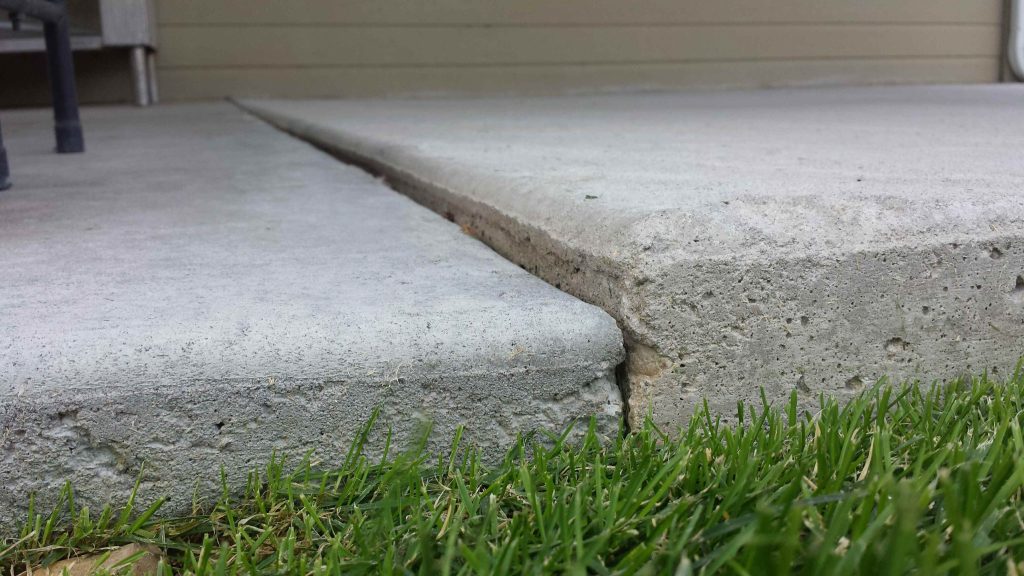
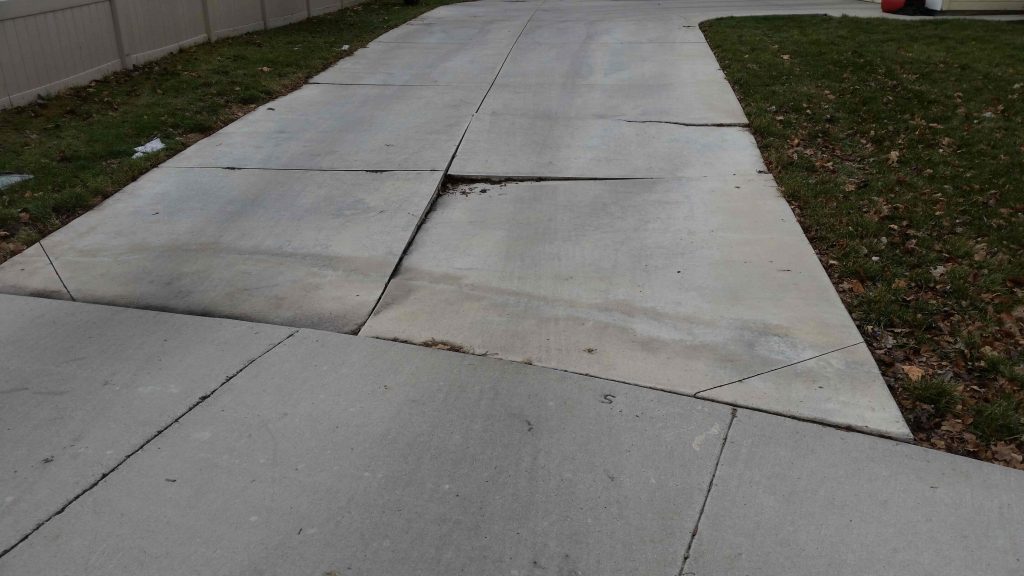
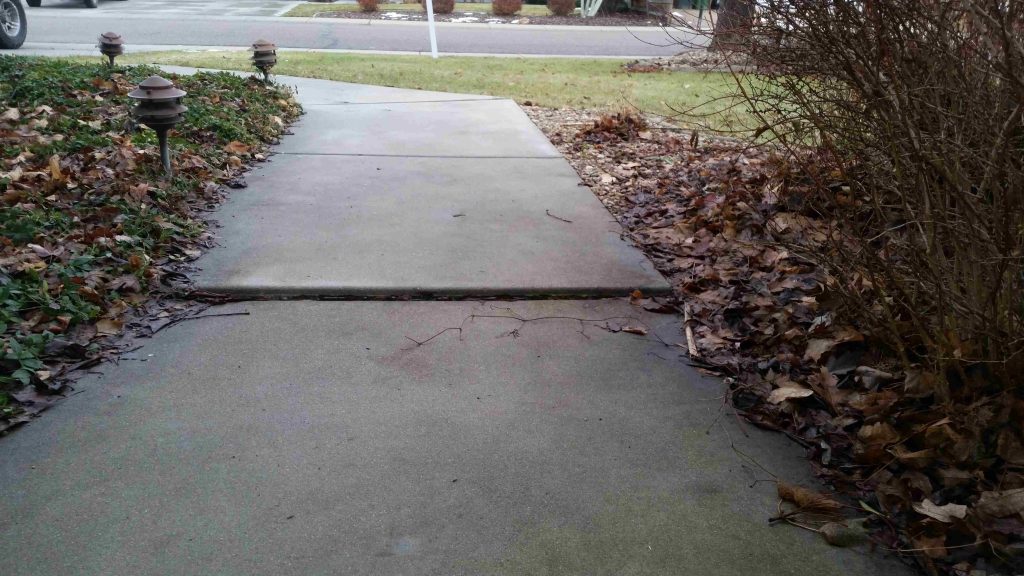
Most people don’t think much about their sidewalk—until it starts trying to trip them.
One day it’s a smooth path to your front door. The next, it’s a crooked obstacle course that seems determined to claim ankles, bicycles, and unsuspecting delivery drivers. Before you start imagining jackhammers, dumpsters, and a bill large enough to make your wallet cry, there’s a better solution: polyurethane foam lifting.
The Hidden Problem Beneath Your Sidewalk
Concrete doesn’t usually sink because the concrete itself failed. The real culprit is often the soil underneath it.
Over time, water erosion, poor compaction, freeze-thaw cycles, and natural settling can create empty spaces beneath your sidewalk. Without proper support, the concrete begins to sink, crack, and become uneven.
Think of it like a mattress missing half its springs. No matter how good the top is, eventually something is going to sag.
How Polyurethane Foam Lifting Works
Polyurethane foam lifting, often called poly lifting, is a modern method of raising and stabilizing sunken concrete.
Small holes are drilled into the affected slab, and a specialized foam is injected beneath the concrete. As the foam expands, it fills empty voids and gently lifts the slab back toward its original position. Once the concrete is level, the holes are patched and you’re left with a safer, smoother surface.
It’s a bit like giving your sidewalk a second chance instead of sending it to the concrete retirement home.
Why Not Just Replace the Sidewalk?
That’s a fair question.
Replacing concrete means demolition, hauling away debris, pouring new concrete, finishing, curing, and waiting. Lots of waiting.
Poly lifting offers several advantages:
1. It’s Usually Faster
Many sidewalk lifting projects can be completed in just a few hours. In many cases, the concrete can be used again the same day.
2. It Costs Less
Since the existing concrete is preserved, you’re avoiding many of the labor and material costs associated with full replacement.
3. Less Disruption
No major demolition means less noise, less mess, and less inconvenience for homeowners and businesses.
4. Stabilizes the Soil
The expanding foam fills voids beneath the slab, helping provide support where it was previously missing.
5. Improves Safety
Uneven sidewalks are one of the most common trip hazards around homes and commercial properties. Raising the slab helps eliminate dangerous height differences before someone gets hurt.
The Environmental Bonus
Replacing concrete creates waste. Lifting existing concrete keeps usable material in place and reduces the amount of debris headed to landfills.
Your sidewalk gets fixed, and thousands of pounds of concrete don’t have to take an unnecessary trip to the dump.
That’s a win for both your property and the environment.
When Should You Consider Poly Lifting?
You may be a good candidate if your sidewalk has:
- Uneven sections
- Trip hazards
- Minor cracking
- Areas that have settled over time
- Water pooling due to improper slope
However, if the concrete is severely broken apart or structurally deteriorated, replacement may still be necessary.
The Bottom Line
A sinking sidewalk doesn’t automatically mean you need a brand-new one.
Polyurethane foam lifting provides a fast, cost-effective, and long-lasting way to restore settled concrete while minimizing disruption to your property. Instead of ripping everything out and starting over, you can often lift what’s already there and get back to enjoying a safe, level sidewalk.
After all, sidewalks should guide people safely to your front door—not test their balance on the way there.