Why Does Concrete Crack?
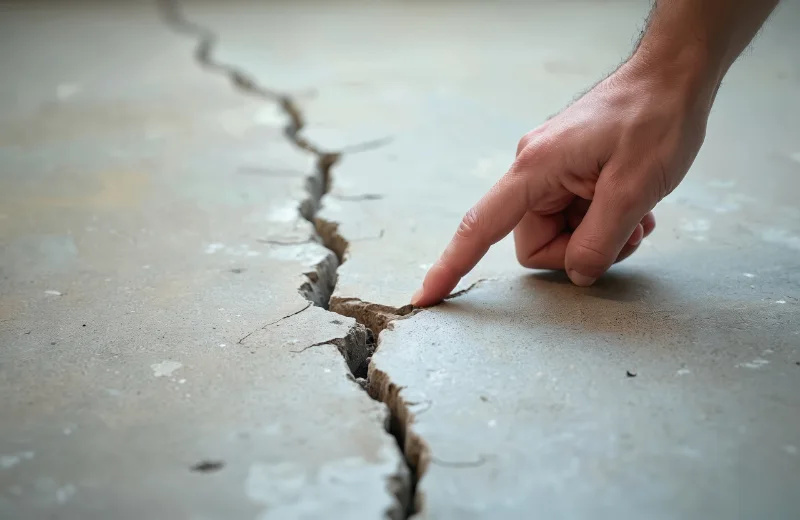
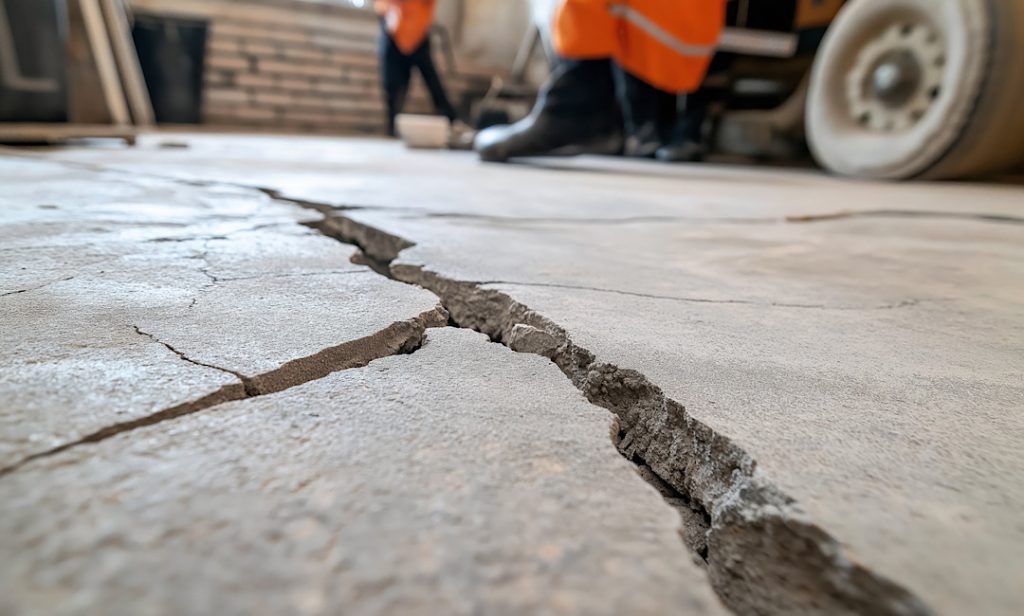
Concrete is one of the strongest building materials around, but despite its tough appearance, cracking is actually a normal part of its life cycle.
The truth is, there are only two guarantees with concrete: it’s going to get hard, and eventually, it’s going to crack.
What Causes Concrete to Crack?
One of the most common causes is ground movement. Over time, soil expands, contracts, and settles beneath concrete slabs, creating stress that can lead to cracks.
Weather also plays a major role. Water can seep into small openings, freeze during colder temperatures, expand, and force the concrete apart. Repeated freeze-thaw cycles can gradually make cracks larger.
Concrete can also crack as it cures. As moisture evaporates during the hardening process, the material shrinks slightly. If the concrete can’t relieve that stress, cracks may form.
Should You Be Concerned?
Not every crack is a major problem. Small hairline cracks are often cosmetic and common. However, widening cracks, uneven concrete, or sections that are sinking may indicate underlying soil issues that should be addressed before they worsen.
The Bottom Line
Cracks happen, even in well-installed concrete. While some are harmless, others can be early warning signs of settlement or erosion beneath the slab. Keeping an eye on cracks and addressing problems early can help extend the life of your concrete and save money on larger repairs down the road.